

LiFePO₄ Batteries & Energy Storage
Backup, off-grid and ESS with local support in Georgia.
Get a Custom Quote →Popular battery configurations
| Category | Capacity | Voltage | Use case | Warranty |
|---|---|---|---|---|
| Low Voltage | 5–20 kWh | 51.2 V | Residential backup & self-consumption | 10 years |
| Low Voltage | 20–65+ kWh | 51.2 V (stacked) | Large homes & small business ESS | 10 years |
| High Voltage | 20–65+ kWh | 204.8–665.6 V | Commercial / light industrial ESS | 10 years |
Low-Voltage Batteries
51.2 V LiFePO₄ — modular, safe and scalable.
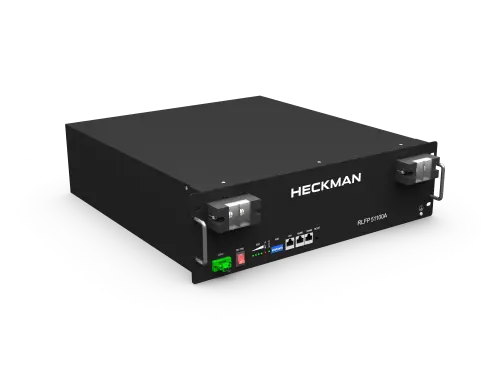
- 51.2 V, 100 Ah (5.12 kWh)
- CAN/RS485 | Max charge/discharge 100 A
- Stack up to 16 units (to 80+ kWh)
- LED status; –15…+60 °C
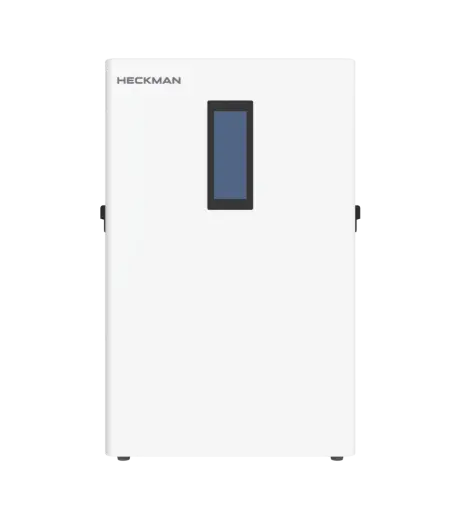
- 51.2 V, 100 Ah (5.12 kWh), LCD
- CAN/RS485 | Max 100 A
- Up to 16 in parallel
- 10-year warranty
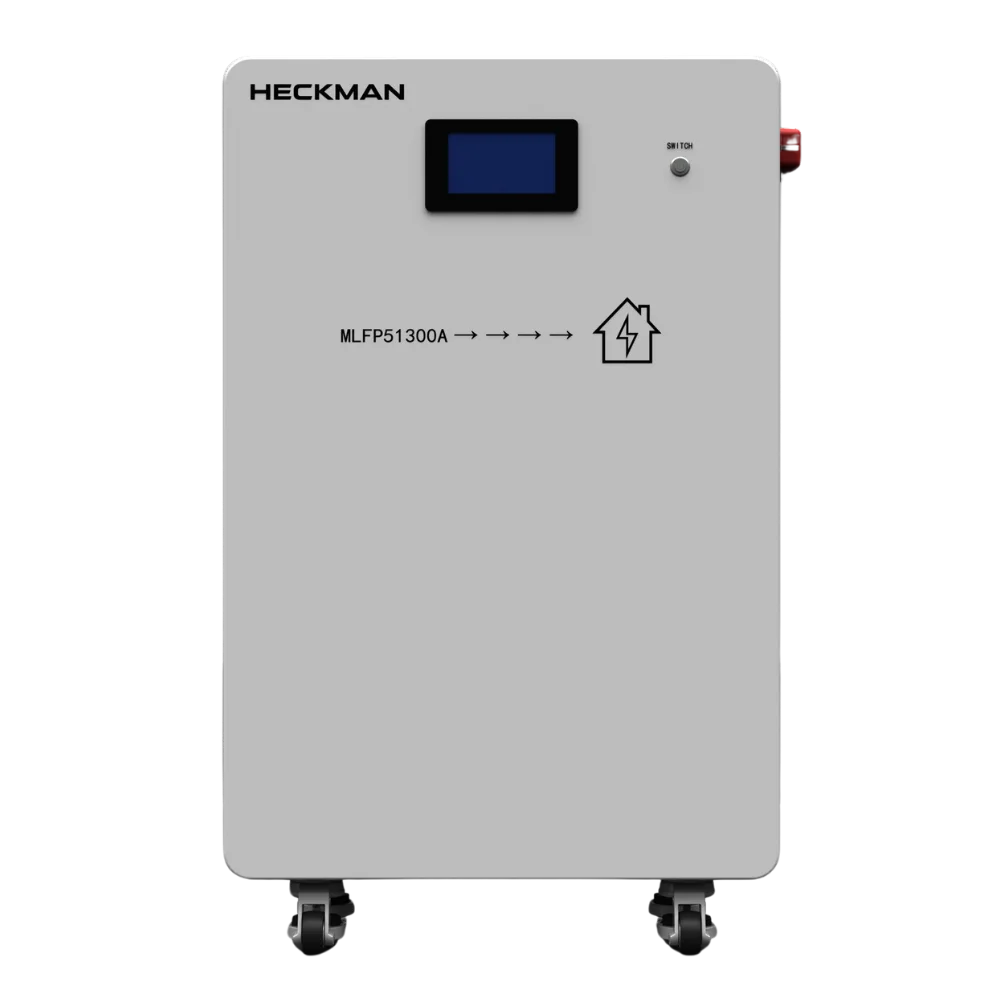
- 51.2 V, 300 Ah (15.36 kWh)
- CAN/RS485 | Max 200 A
- Stack up to 16 (to 240+ kWh)
- LCD + LEDs
High-Voltage Batteries
Modular HV LiFePO₄ for commercial & industrial storage.
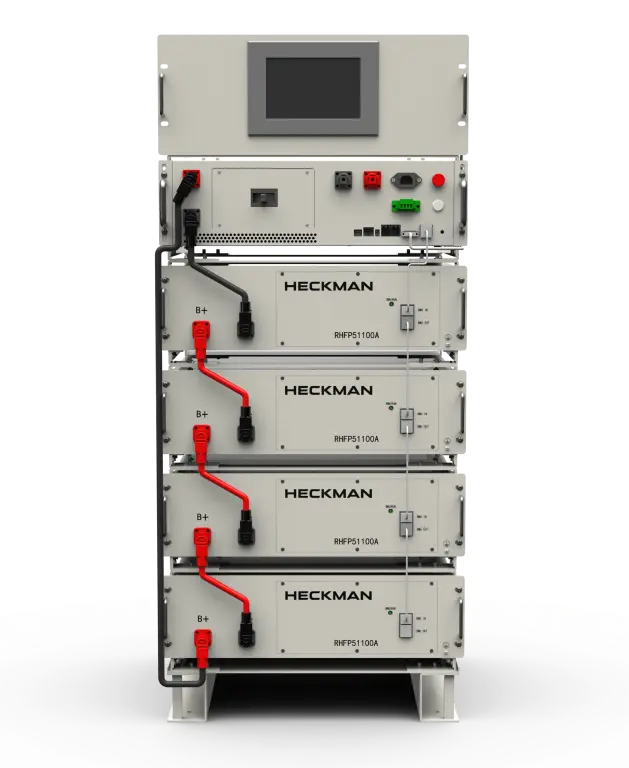
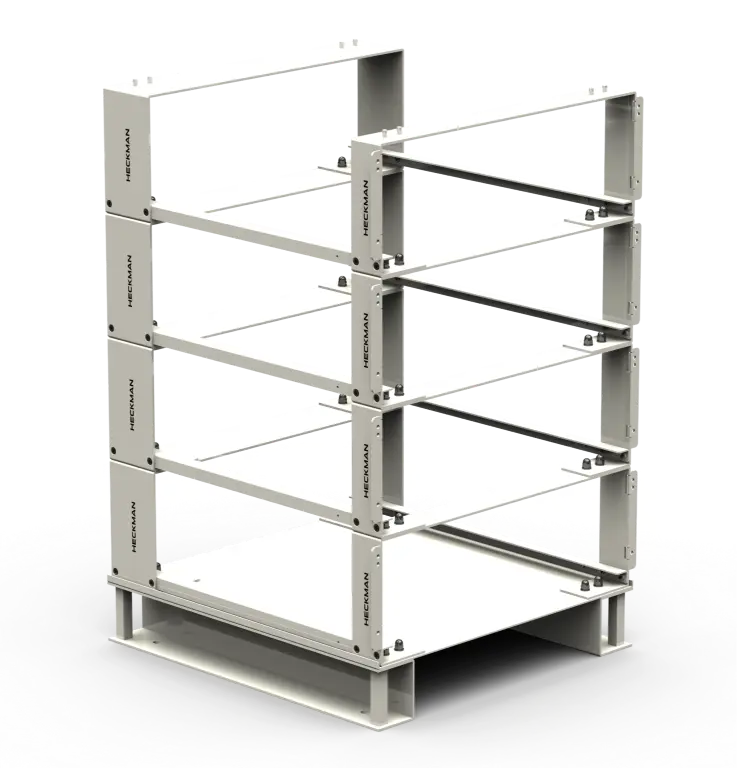
- 4–13 modules, 20–65 kWh
- Per module: 51.2 V | System: 204.8–665.6 V
- Compatible with Deye, Solis, SMA etc.
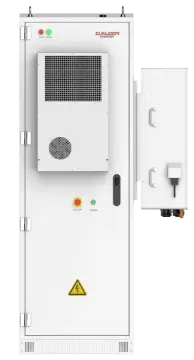
- Fixed 60 kWh (12 packs)
- Nominal 614.4 V | Range 556.8–662.4 V
- Max charge/discharge 100 A
Battery FAQ
Low-voltage vs high-voltage — which should I choose?
LV (51.2 V) is ideal for homes and small businesses—safe and scalable. HV is best for commercial ESS with higher power and a DC bus around 200–600+ V.
How many modules can I combine?
Typically up to 16 LV modules (about 80–240+ kWh depending on the model); HV systems usually support 4–13 modules per rack (20–65 kWh).
Is it compatible with Deye/Solis/SMA?
Yes, via CAN/RS485. We assist with BMS firmware/profiles and commissioning.