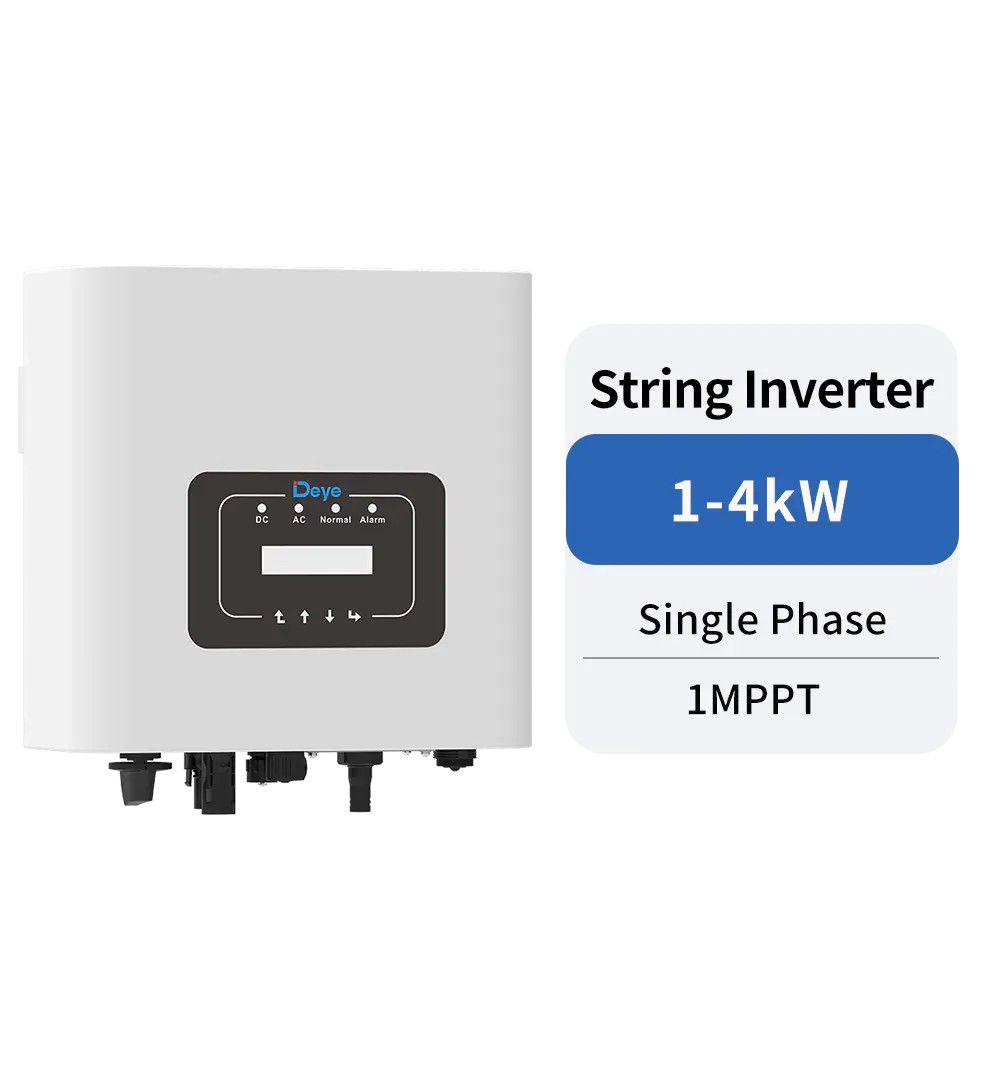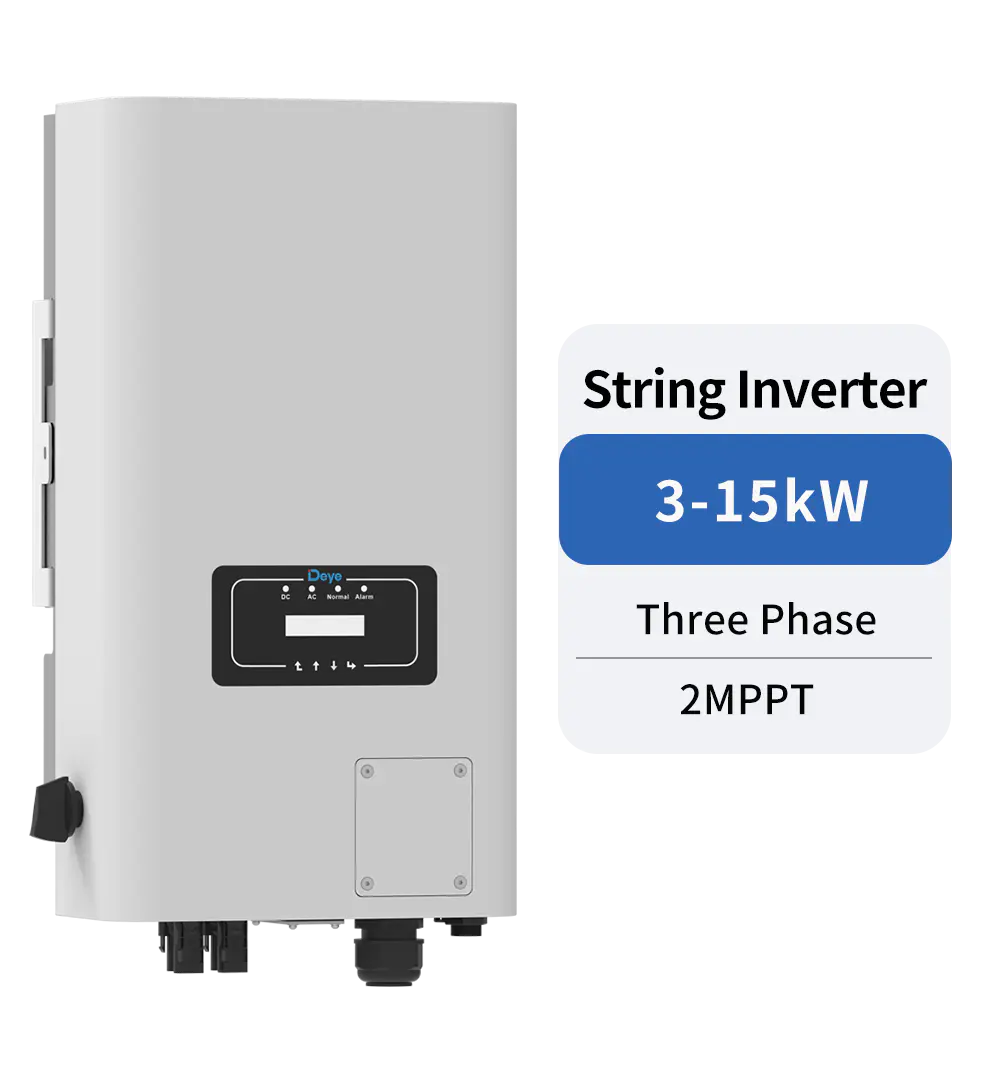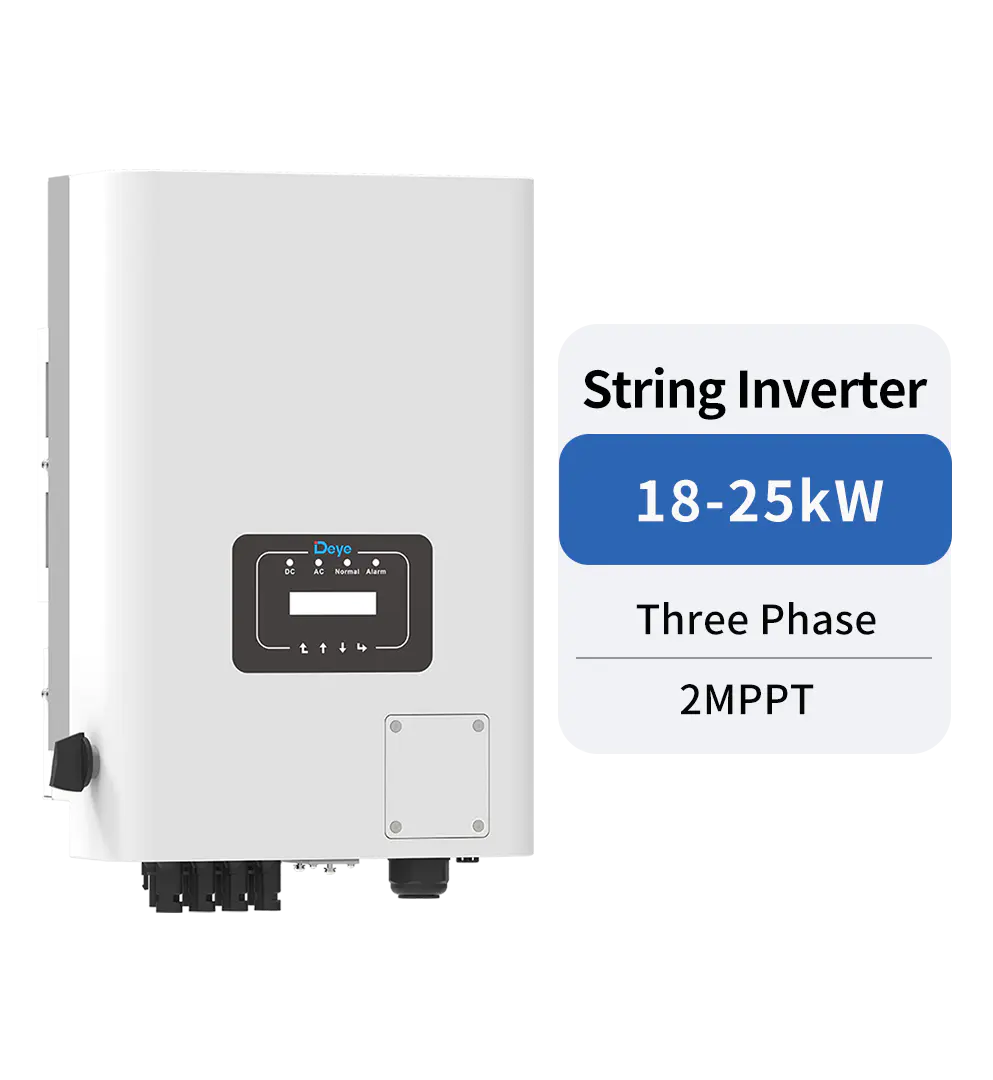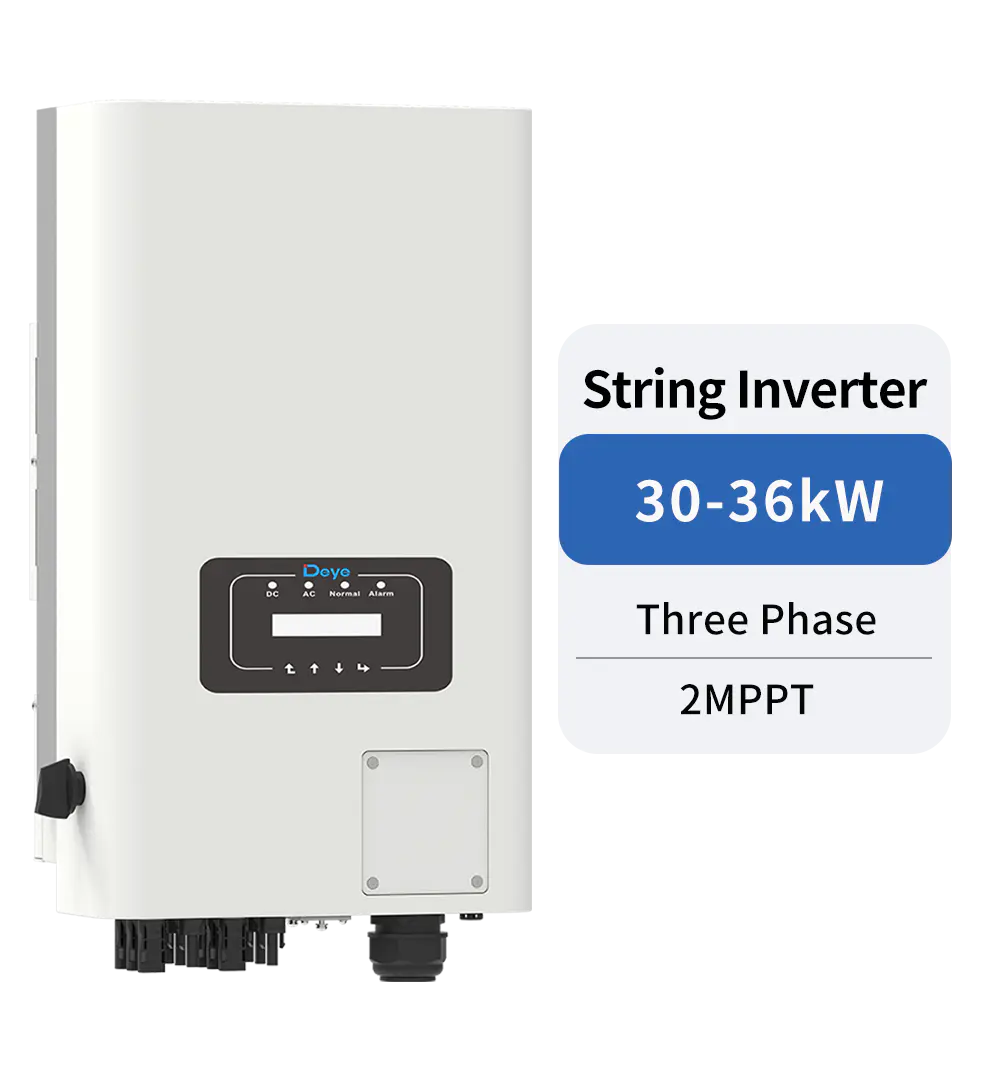




Deye hybrid and on-grid solar inverters for homes and businesses
Solar Inverters

Hybrid & On-grid Inverters

Reliable power. Smart energy management. Local support in Georgia.

On-grid vs Hybrid — what’s the difference?

On-Grid Inverter

Works with the utility grid. Converts PV power and exports surplus to the grid. The most cost-effective choice when outages are rare and you don’t need battery backup.

  • High efficiency for self-consumption & export
  • Lower CapEx, simple installation
  • No autonomous (off-grid) mode
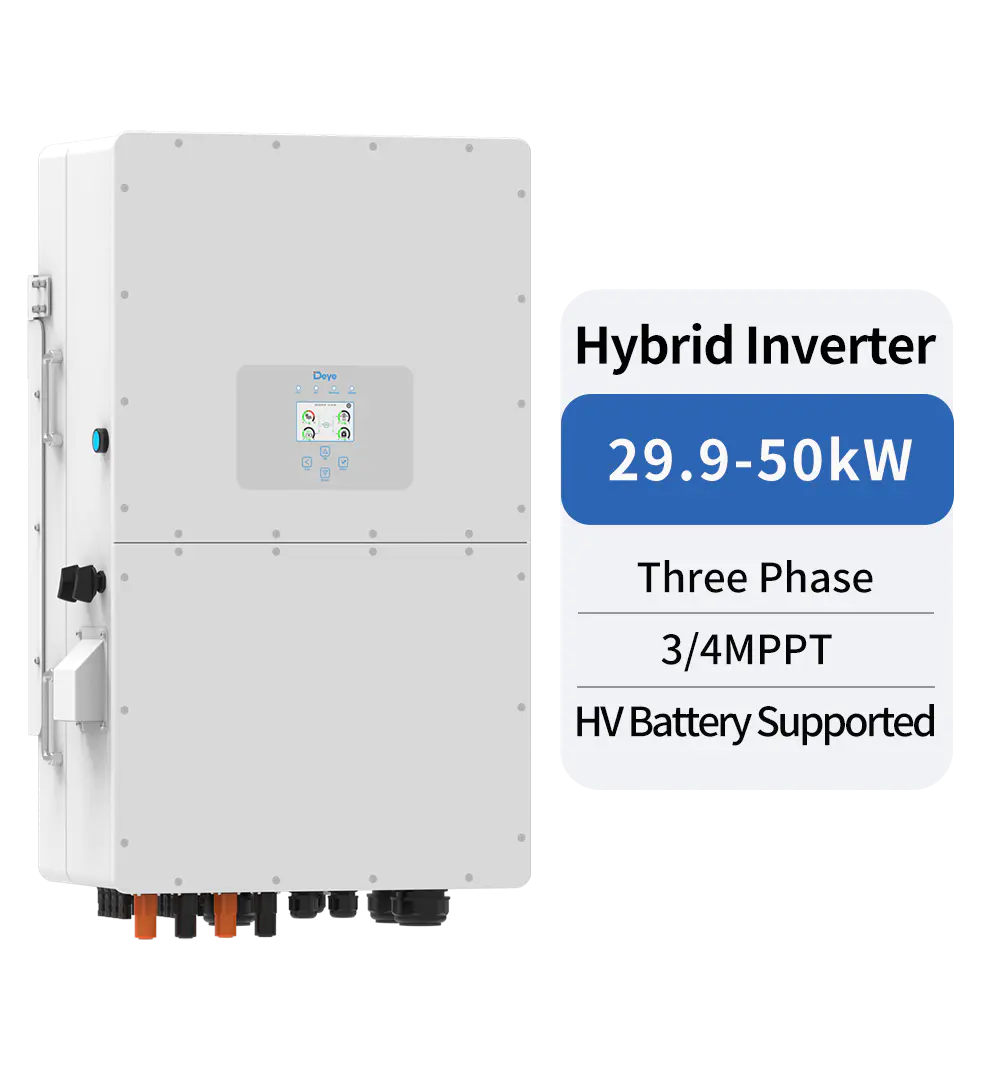
Hybrid Inverter

Works with PV, grid and batteries; can integrate a generator and wind turbine. Stores energy and powers critical loads during outages.

  • Backup power for essential loads
  • Peak-shaving & smart load / EV charging
  • Expandable LiFePO₄ battery compatibility

Popular Power Classes

Category Power Phase Use case Battery
On-grid 3–10 kW 1-phase Self-consumption & export (residential) No
On-grid 10–100+ kW 3-phase Commercial / light industrial No
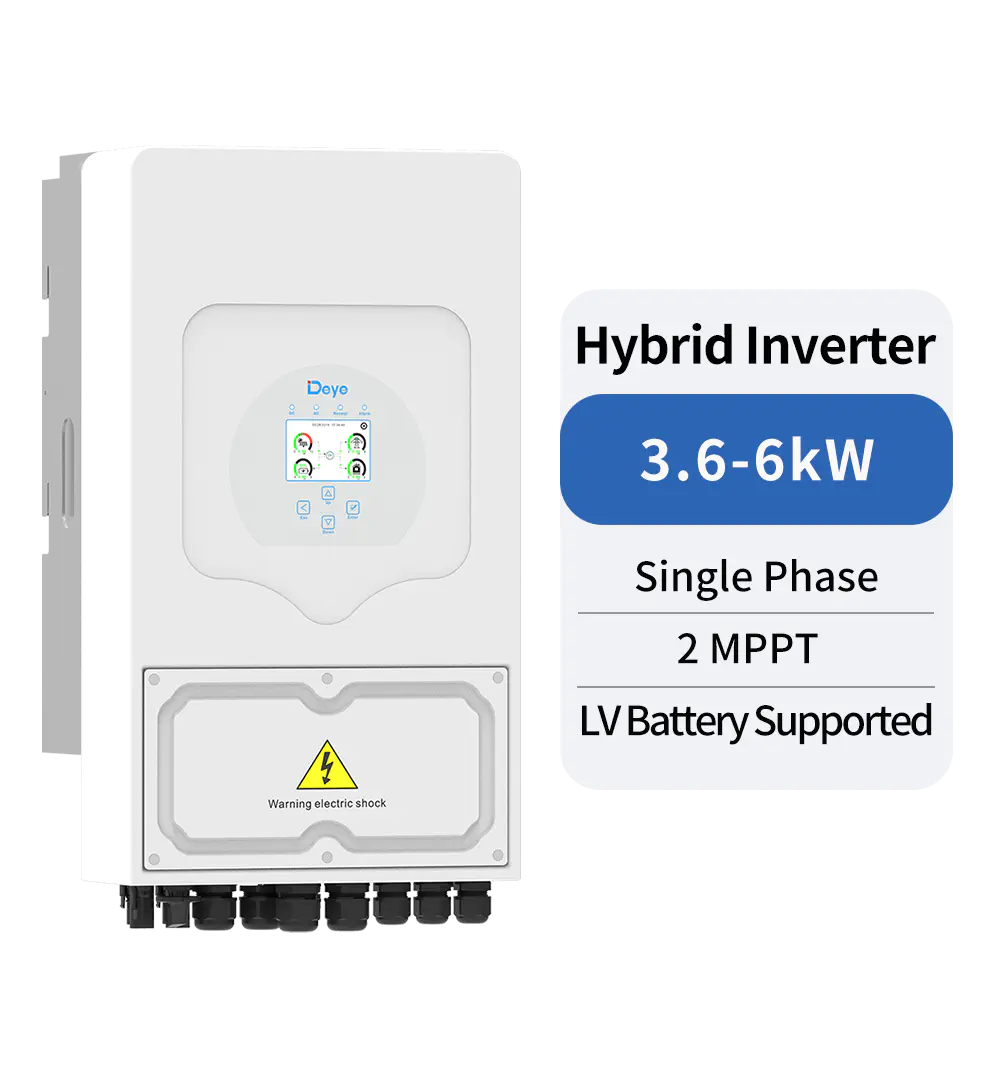
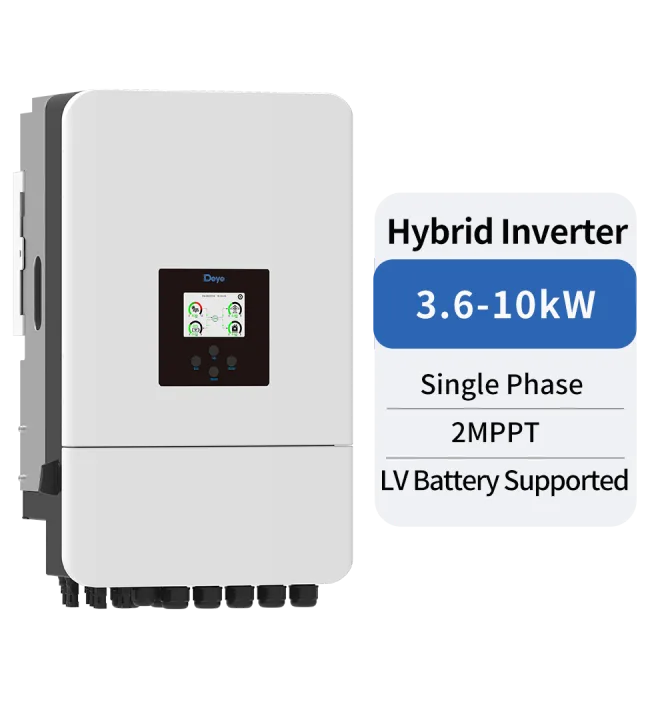
Hybrid (LV) 3–5 kW 1-phase Residential backup Yes (51 V)
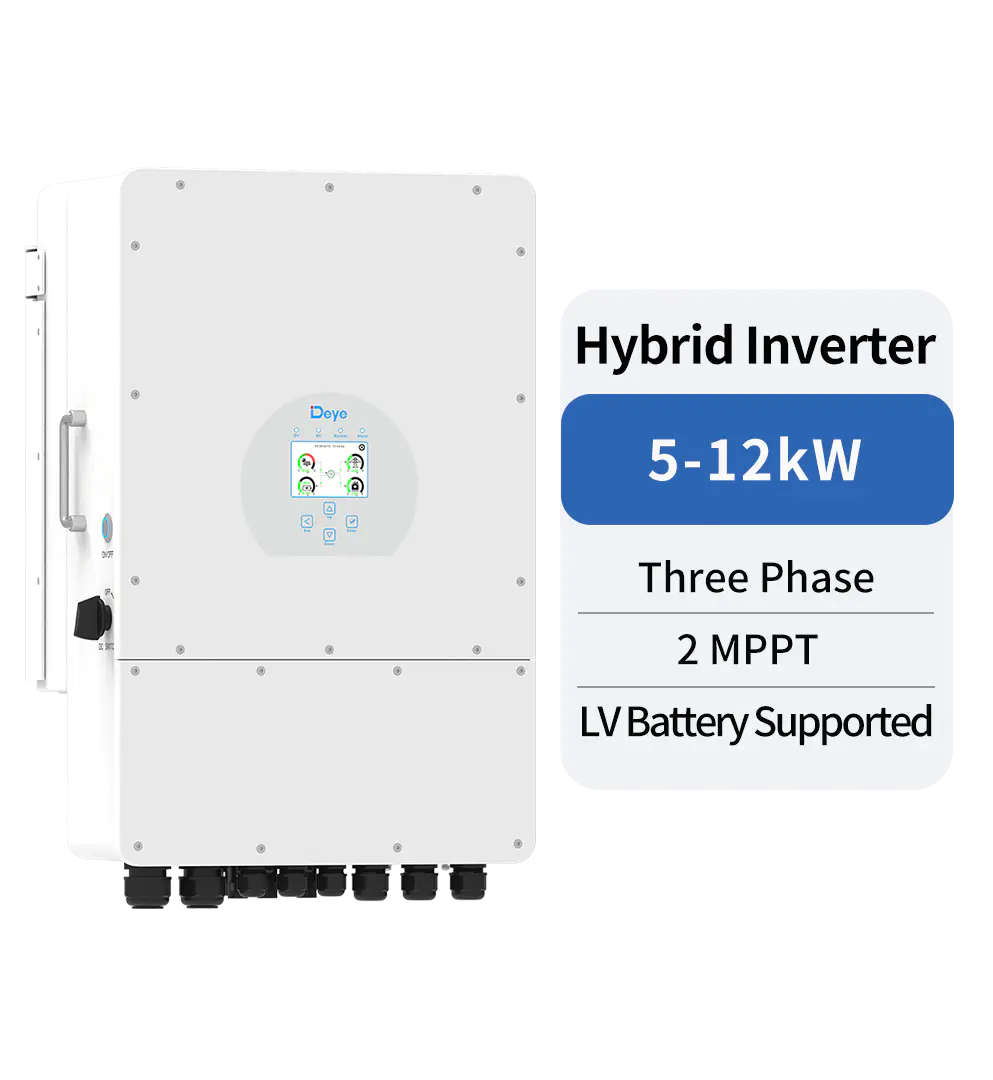
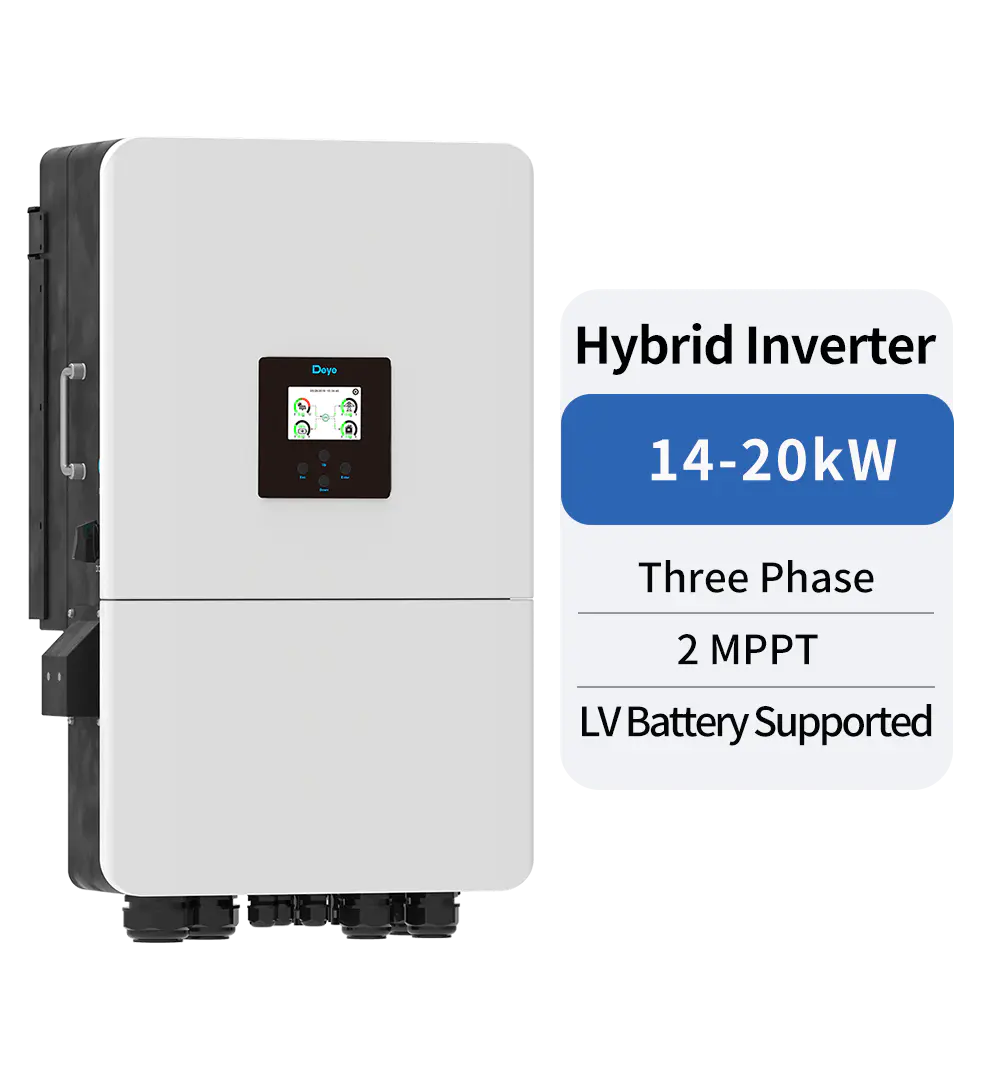
Hybrid (LV) 6–20+ kW 3-phase Large homes & business Yes (51 V)
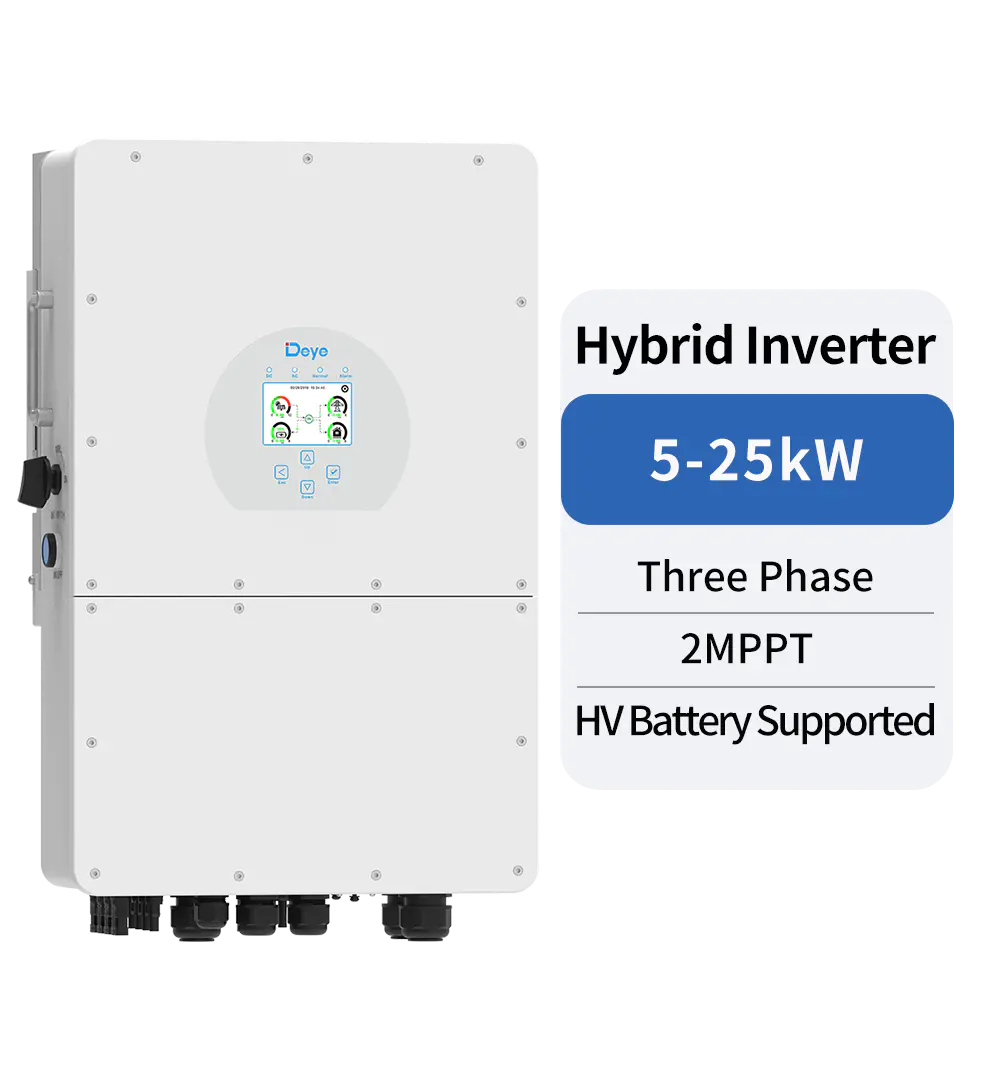
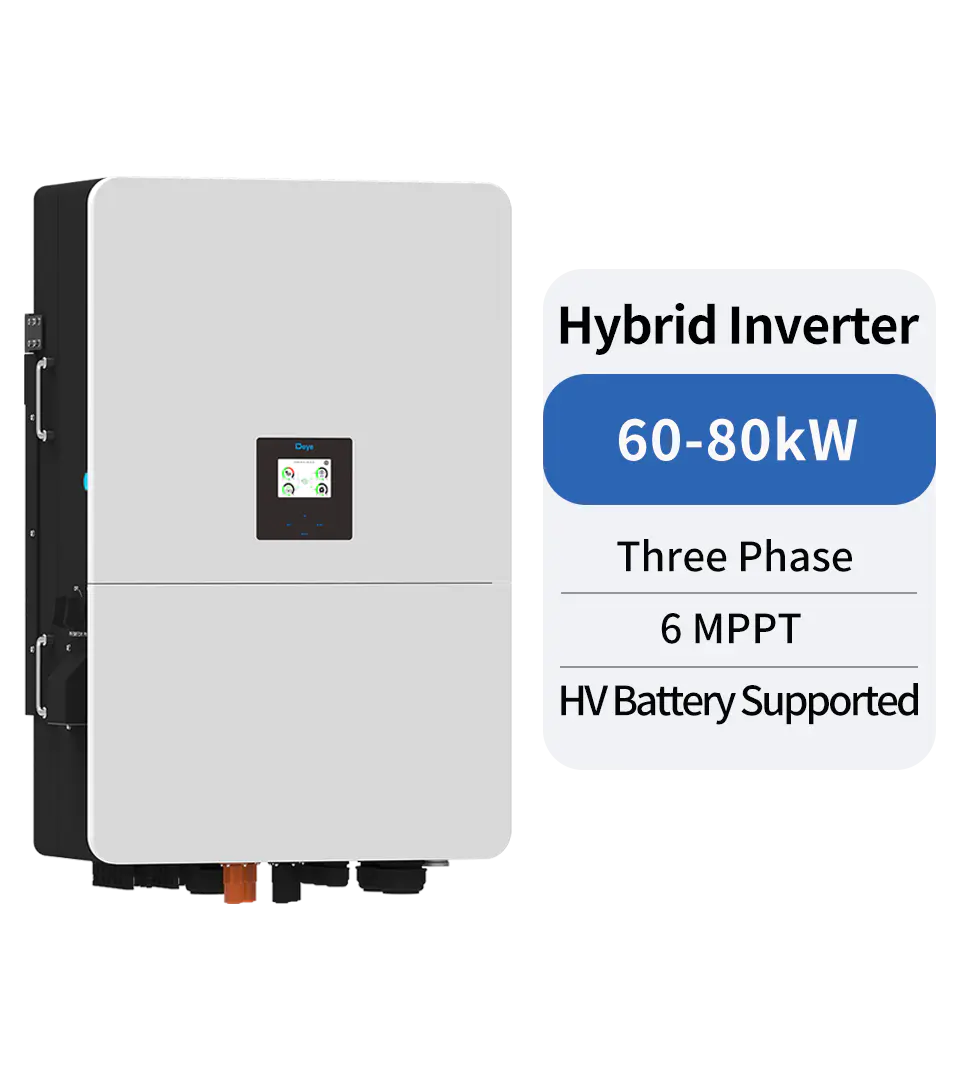
Hybrid (HV) 10–80+ kW 3-phase Commercial ESS Yes (160+ V)

On-grid Inverters

Grid-synchronised inverters for maximum generation and export.

Hybrid Inverters

The most flexible energy management. Work with or without the grid, charge batteries, and ensure uninterrupted home power.

Low Voltage (LV)
High Voltage (HV)
ECOBSS

ECOBSS Hybrid Inverters

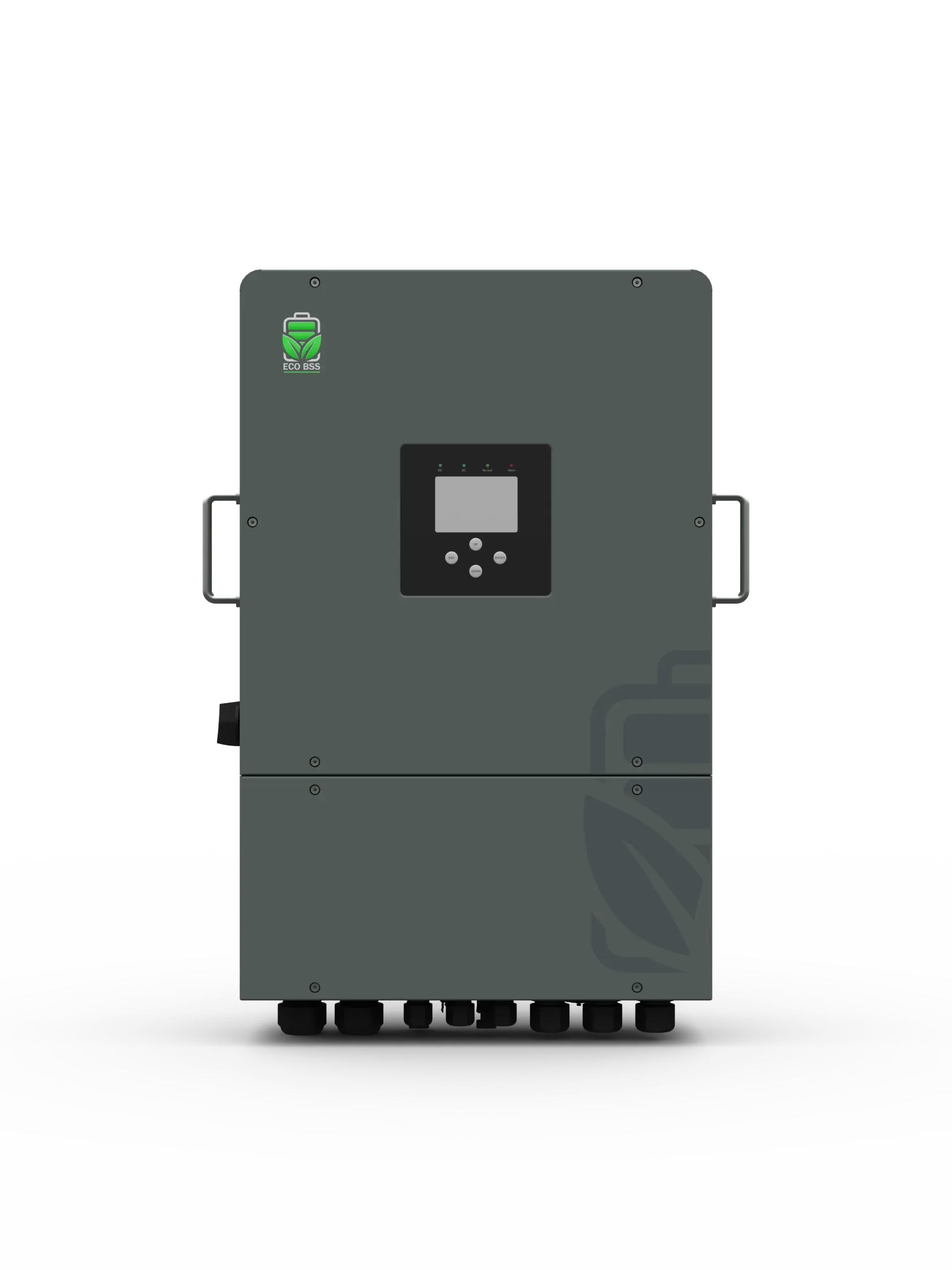
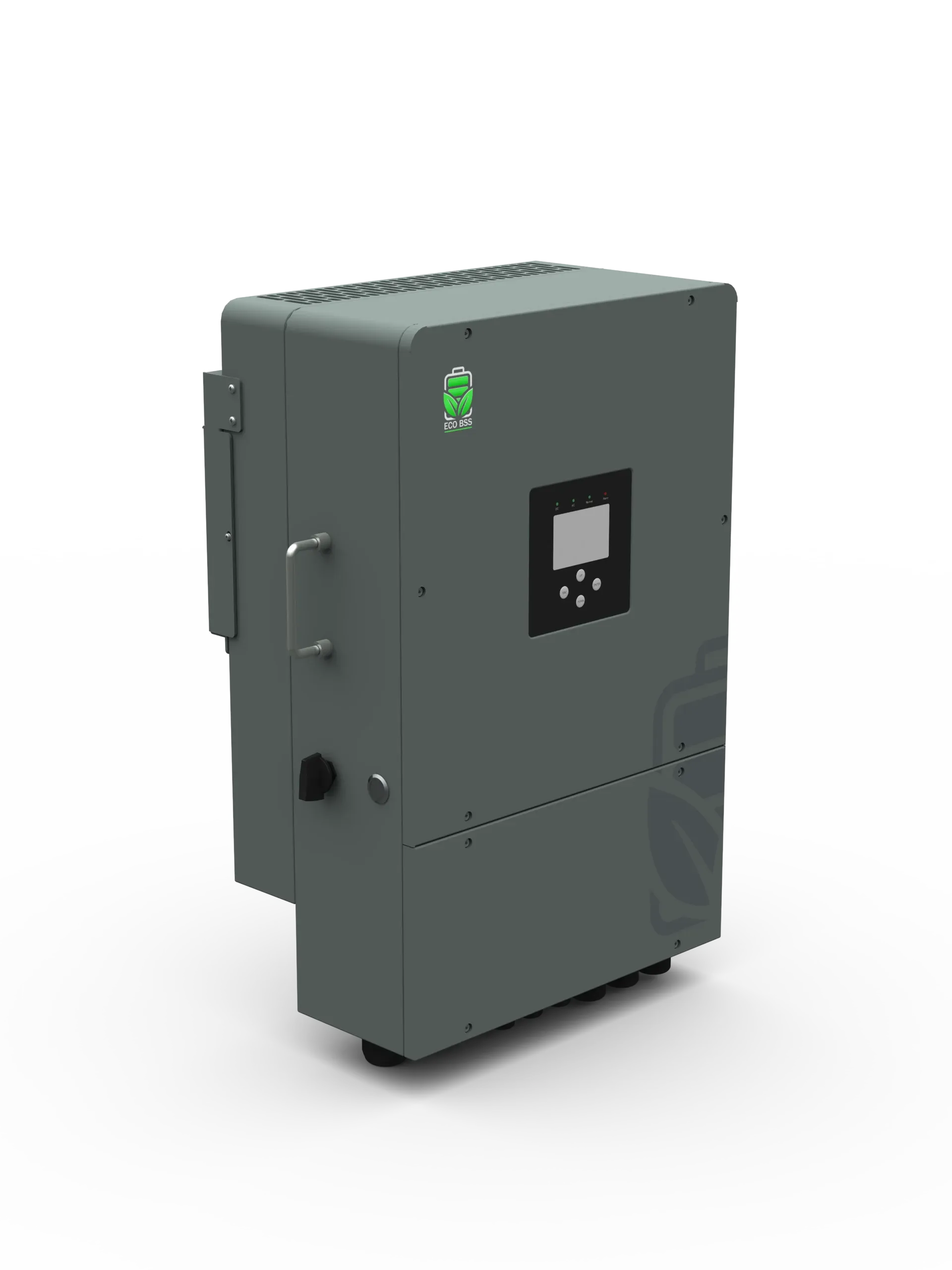
Three-phase hybrid inverter with EMS Power Wallet, software power upgrade, and 51.2 V EcoBSS battery compatibility. From 6,350₾.

FAQ

Frequently Asked Questions

Everything about how inverters work.

Do I need a battery if the grid almost never goes down?
If outages are rare, an On-Grid inverter without a battery may be sufficient. However, a hybrid inverter gives you the flexibility to add a battery later if tariffs change or you need autonomy.
Will the system work during a grid outage?
An On-Grid inverter automatically shuts down during a grid outage for safety reasons (Anti-Islanding). Only a hybrid inverter with a battery provides autonomous power to your home/business during a blackout.
What capacity is suitable for a private house?
For a typical private house, a 5–10 kW 3-phase (or 1-phase) inverter is often sufficient. The final choice depends on your home's peak loads and monthly electricity consumption.
Which batteries are compatible?
All Deye hybrid solutions are compatible with modern and safe LiFePO₄ modules. Depending on the capacity, they are divided into low-voltage (51.2 V) and high-voltage (160+ V) systems.

Ready to start saving?

Request a free consultation today and our engineers will help you select the best inverter.

Contact Us