

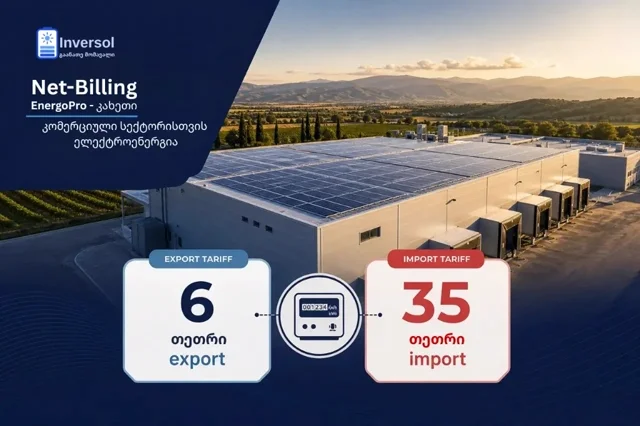
Net-Billing for business
Why export without storage hurts.
Install Inversol app
Quick access from your home screen
Open in Safari to install
To add Inversol to your home screen, open this page in Safari — tap ⋯ or the browser icon and choose "Open in Safari".
How the Georgian Energy Exchange is built, what already works, what is delayed to 2027 — and what that means for your CAPEX on solar and energy storage.
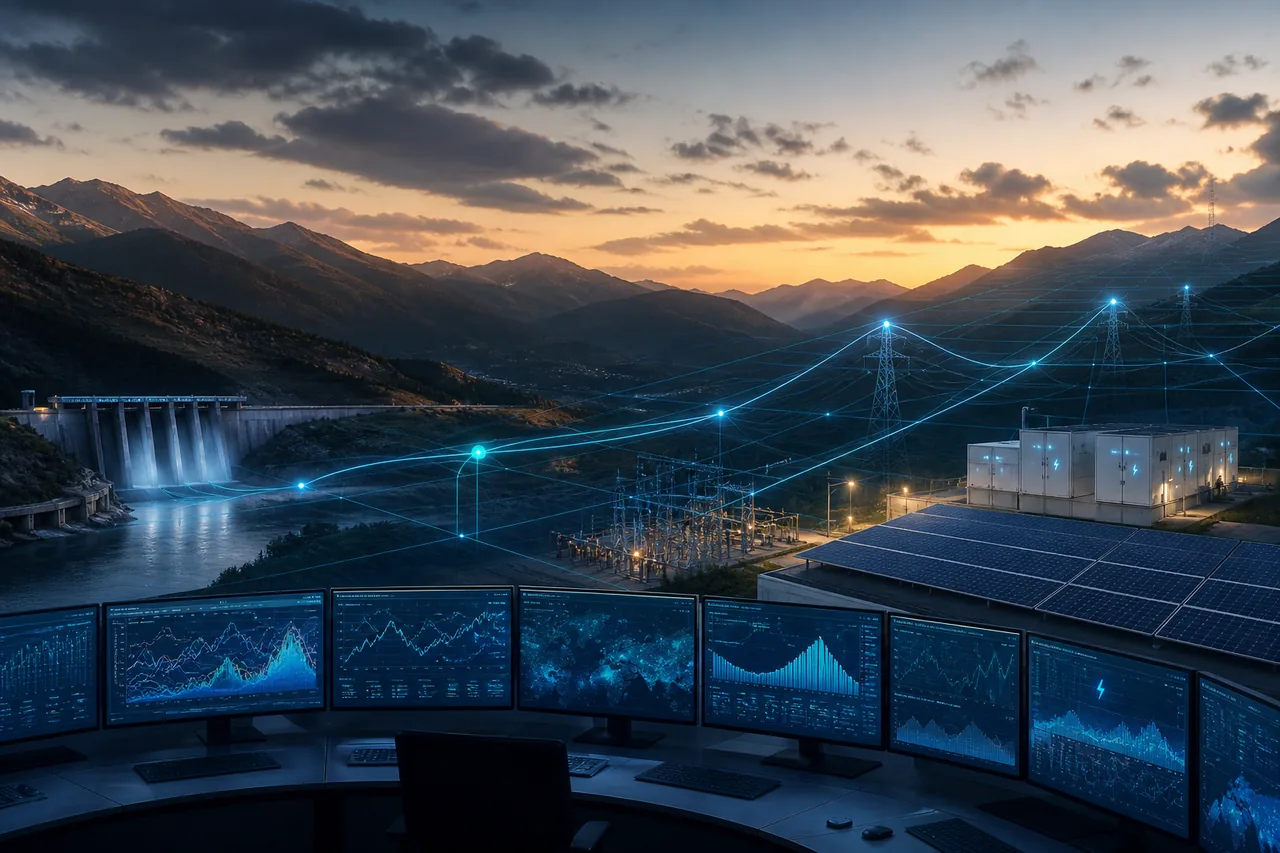
Liberalising Georgia’s power sector is one of the region’s biggest infrastructure projects — and one of the most delayed. Under Energy Community commitments, Georgia is moving toward the European Target Model. The centrepiece is GENEX (Georgian Energy Exchange / საქართველოს ენერგეტიკული ბირჟა). Below: how the platform works, which segments are live, and why owners of commercial solar plants cannot wait until 2027 to “think about storage”.
GENEX was founded in December 2019 on a parity basis by two state operators: GSE (Georgian State Electrosystem — transmission) and ESCO (Electricity System Commercial Operator — wholesale commercial operator).
Before the exchange, the market ran on long-term bilateral contracts, fixed tariffs, subsidies, and centralised imbalance settlement via ESCO. GENEX’s job is to replace opaque administrative mechanisms with open exchange pricing based on real supply and demand.
The trading system follows European practice and splits the wholesale market into four segments:
| Segment | Horizon | Status |
|---|---|---|
| Day-Ahead (DAM) | Hourly contracts, day before delivery | Live (transition) |
| Intraday (IDM) | Same-day position adjustments | Live (transition) |
| OTC | Bilateral standardised deals | Live (deal registration) |
| Balancing & Ancillary | Real-time deviations and frequency support | Deferred → 1 Jul 2027 |
After delays from 2021–2024, GENEX opened DAM and IDM trading on 1 July 2024. The launch is hybrid:
Today many sites already feel the “scissors” of Net-Billing: export at wholesale tetri, import at full commercial tariff. GENEX adds another layer: when balancing becomes mandatory and hourly, a station that only dumps midday kilowatts and buys evenings back will be punished harder — not by opinion, but by settlement math.
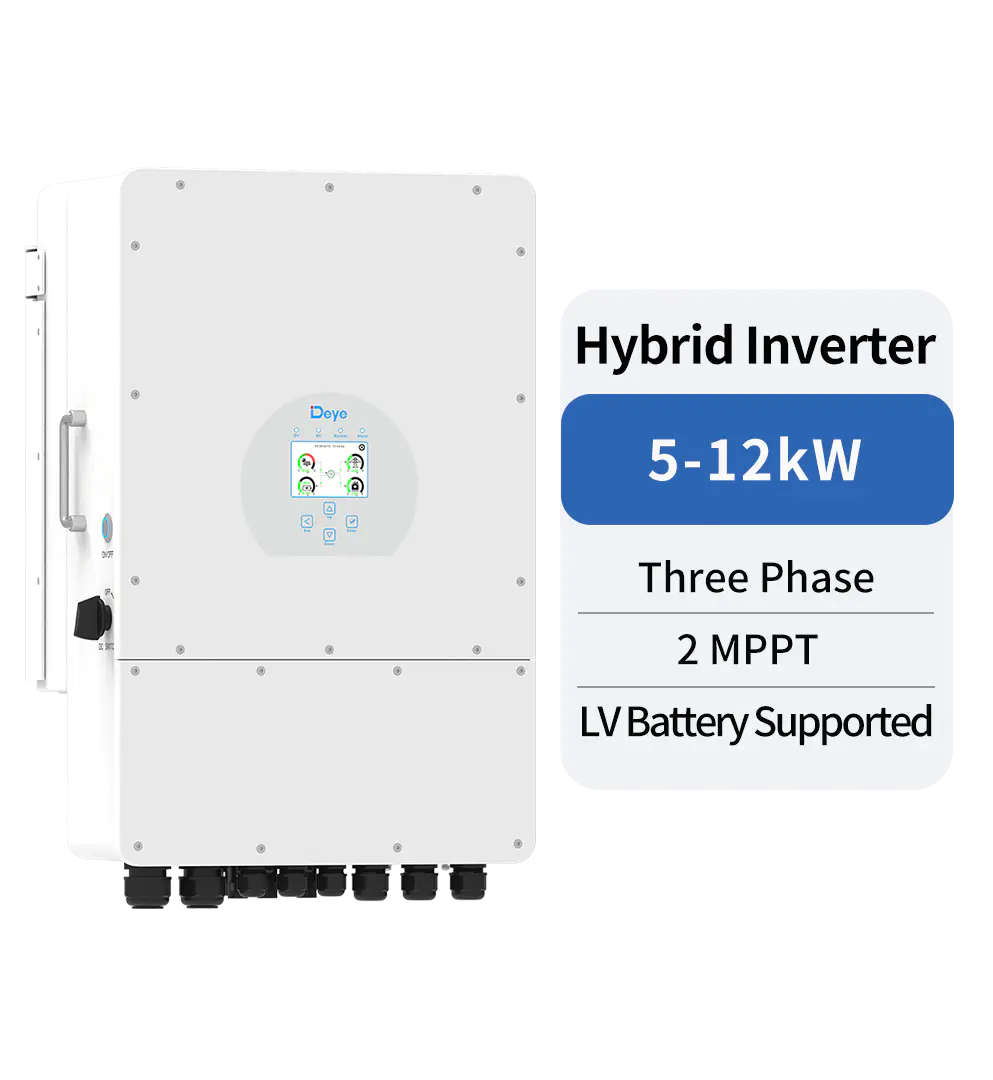
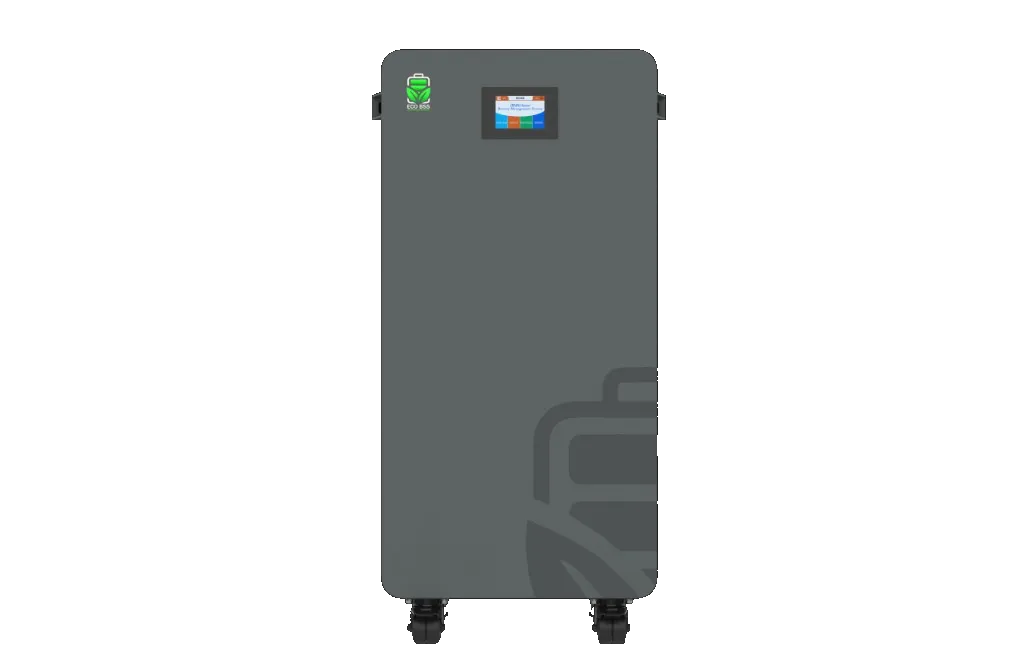
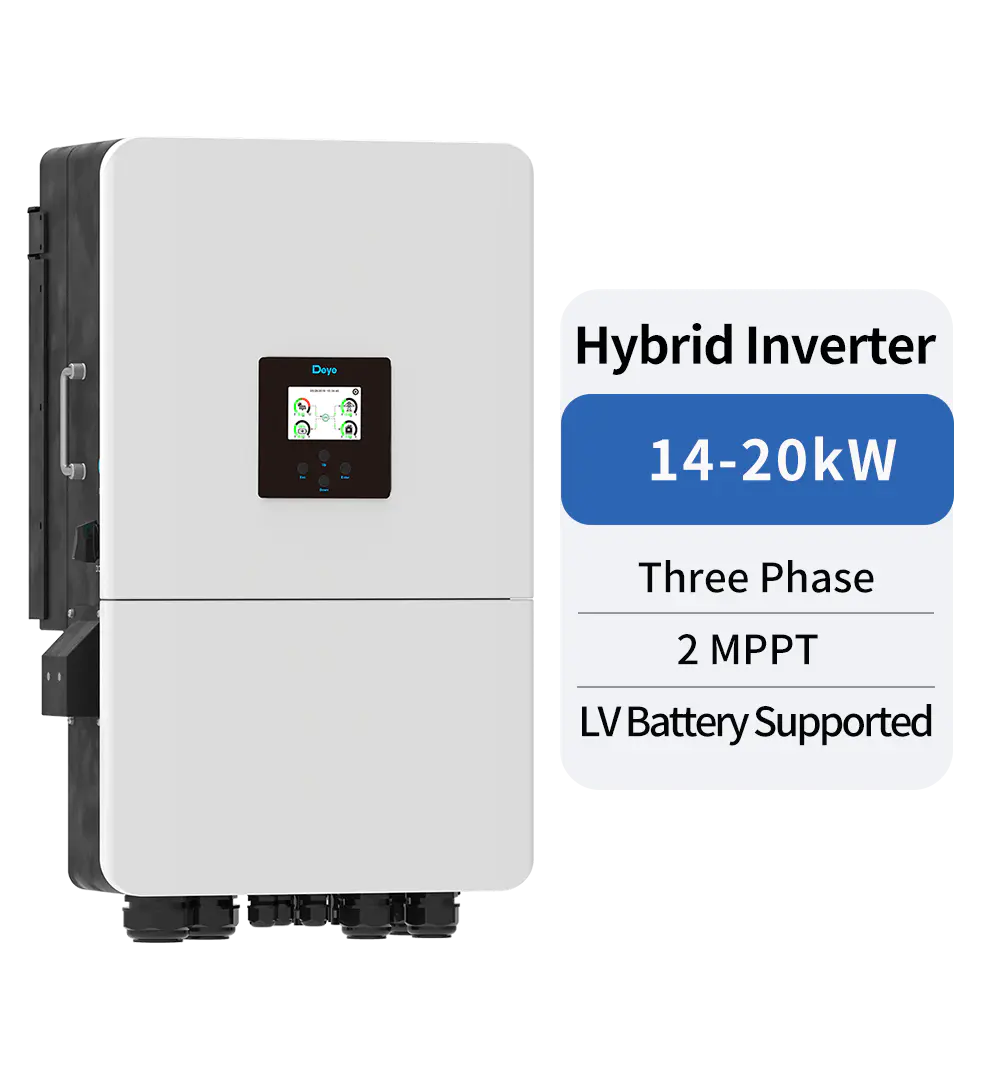
Practical CAPEX rule: design hybrid + energy storage for self-consumption and peak control now. Strategies such as UPS, self-consumption and Smart Trading are not “cloud promises” — they are how a site turns hardware into an asset. That architecture is documented in the partner briefing INVERSOL FLEX · PowerWallet & GENEX.
GENEX is also a gateway for cross-border trade (Turkey, Azerbaijan, Armenia) and, longer term, the Black Sea Energy Submarine Cable toward the EU. For a Georgian hotel, plant or warehouse the near-term lever is simpler: stop buying a “today-only” plant.
Disclaimer: Market rules, GENEX participation and GNERC decisions change. Dates and segment statuses are indicative as of August 2026. Confirm current exchange and utility terms for your site.
Inversol will map loads, propose hybrid + energy storage from Tbilisi stock, and connect accredited partners for install.
Why export without storage hurts.
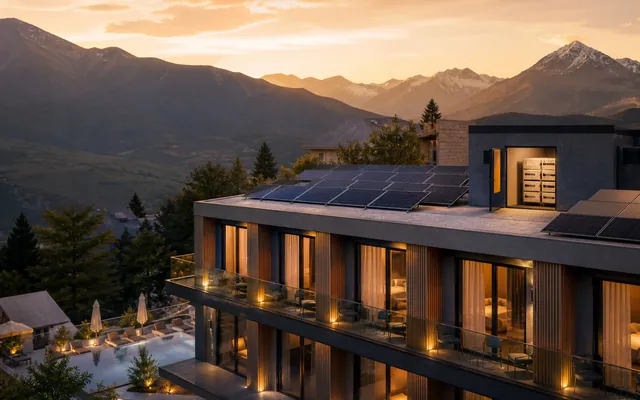
Self-consumption + evening buffer.
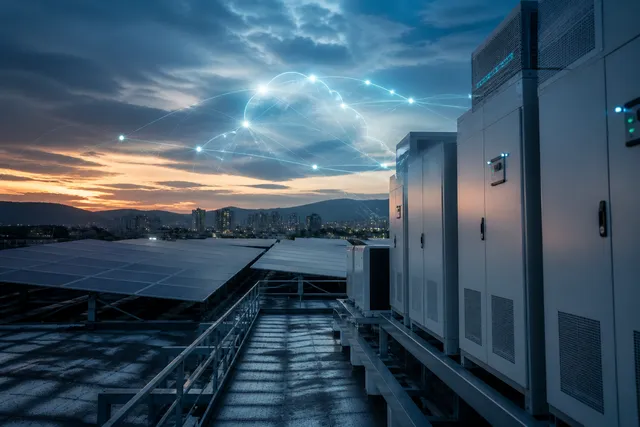
The FLEX brain for hourly markets.
In-stock models from the Inversol warehouse — supply and install with Inversol and partners.