



GENEX 2027
Why hourly markets need an EMS.
Install Inversol app
Quick access from your home screen
Open in Safari to install
To add Inversol to your home screen, open this page in Safari — tap ⋯ or the browser icon and choose "Open in Safari".
Predictive charge/discharge, algorithmic arbitrage toward GENEX, Deye integration and LiFePO4 DoD rules — buyer framing for Georgia commerce.

Under Net-Billing and the path to hourly GENEX settlement, a plant with fixed inverter schedules often leaves money on the table: noon export is cheap, evening import is not. Static “fill storage by 11:00” logic is the usual culprit.
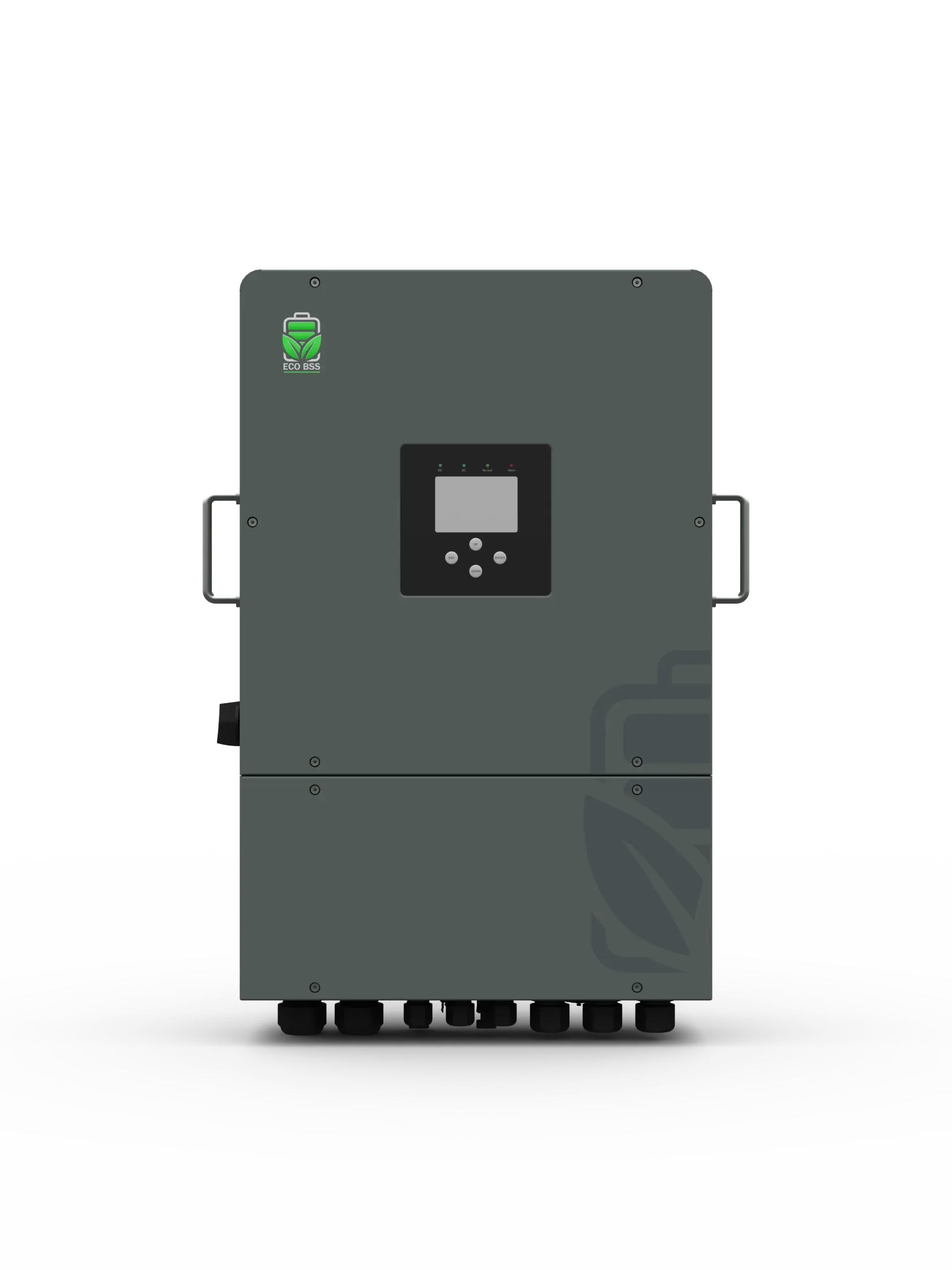
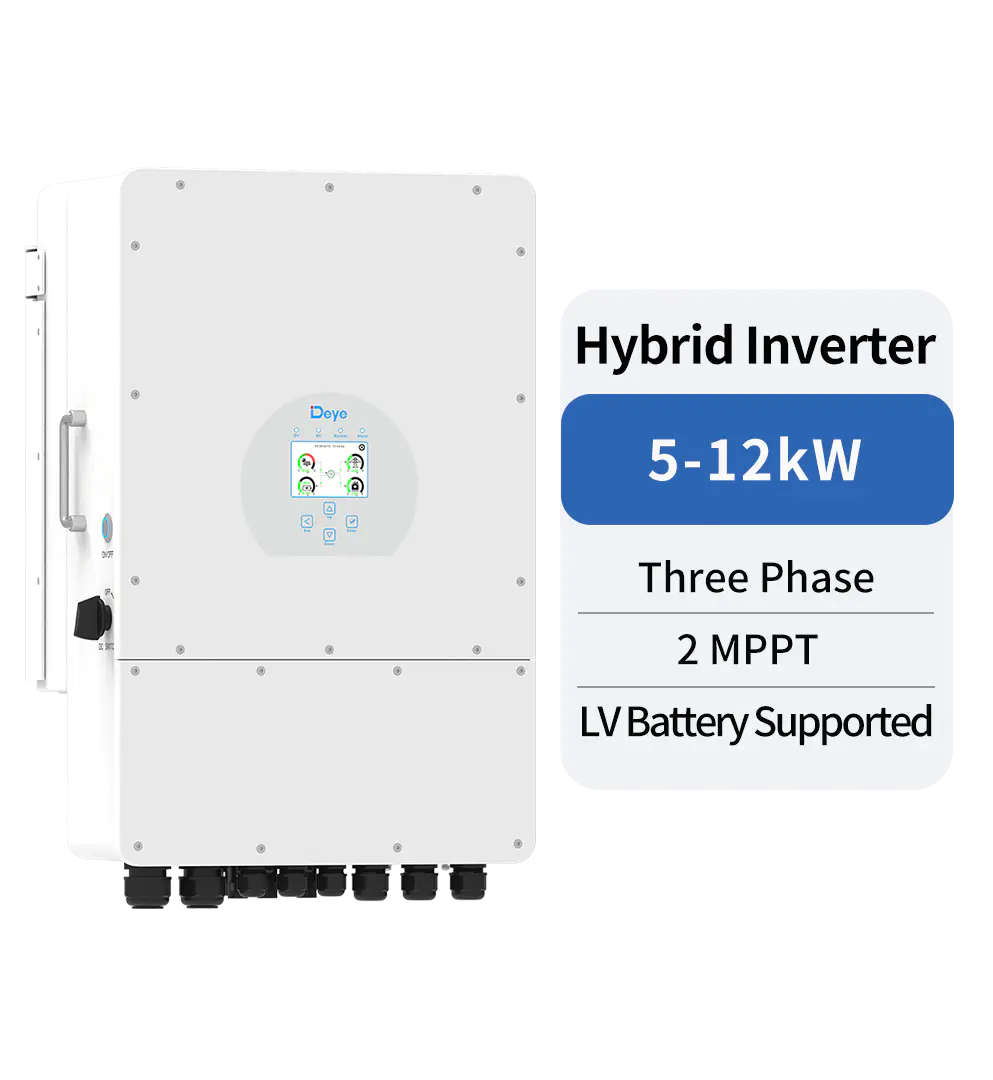
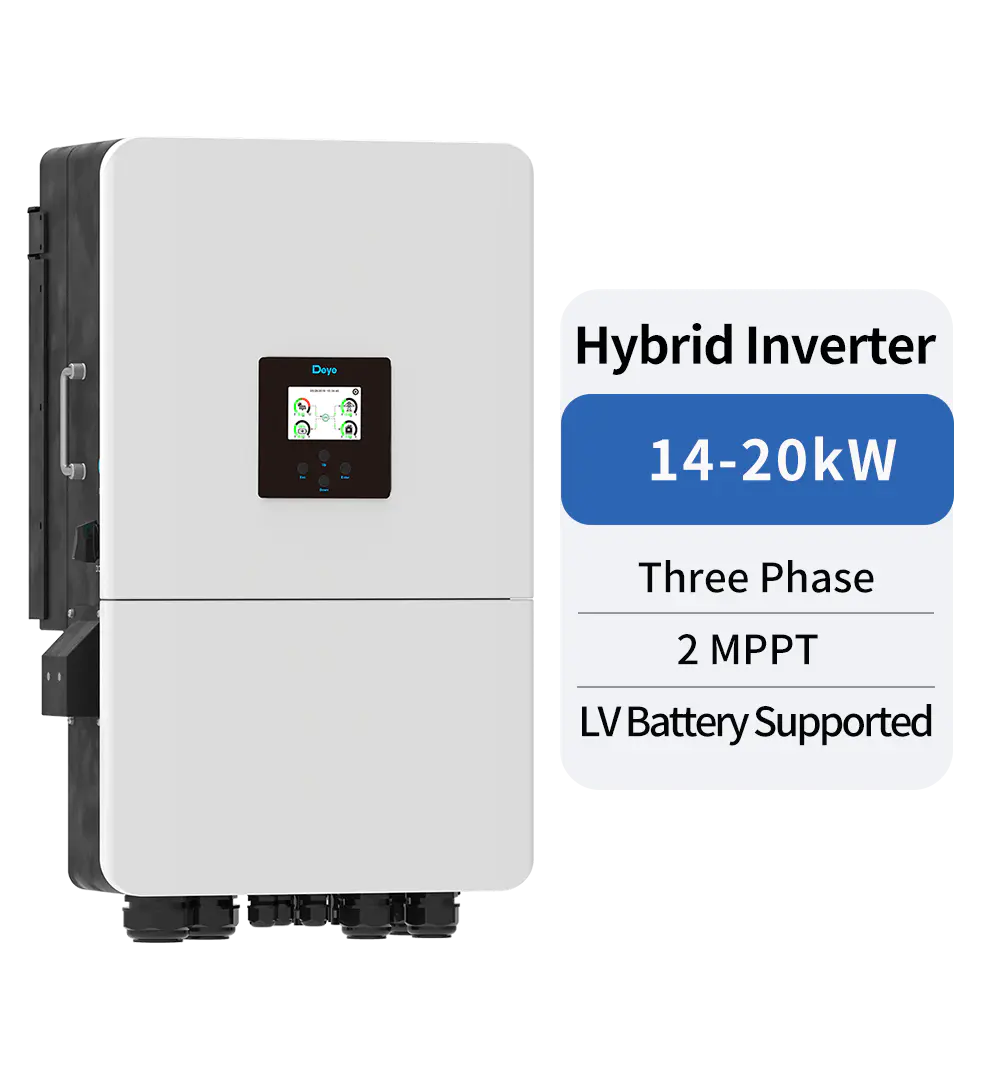
Inside INVERSOL FLEX, the hybrid ecosystem is more than inverter + energy storage. FLEX Link 1.0 is the architecture: ports, strategies, and the cloud layer. That cloud is PowerWallet Energy Manager — the EMS that does the AI optimisation, reads tariff / spot signals, and writes the hourly charge–discharge plan down to the hybrid (including Deye lines and parallel clusters from Tbilisi stock).
This page is the buyer brief. Partner canon and slides stay on Academy: PowerWallet and GENEX 2027.
Without an EMS, hybrids react to the present: first sun → charge; full SoC → curtail or dump at midday prices. PowerWallet flips that to a plan:
If the forecast is cloudy, the cloud can pre-charge overnight on cheap grid energy instead of waking up empty. That is EMS logic — not a “smart phone app” sticker on a dumb plant.
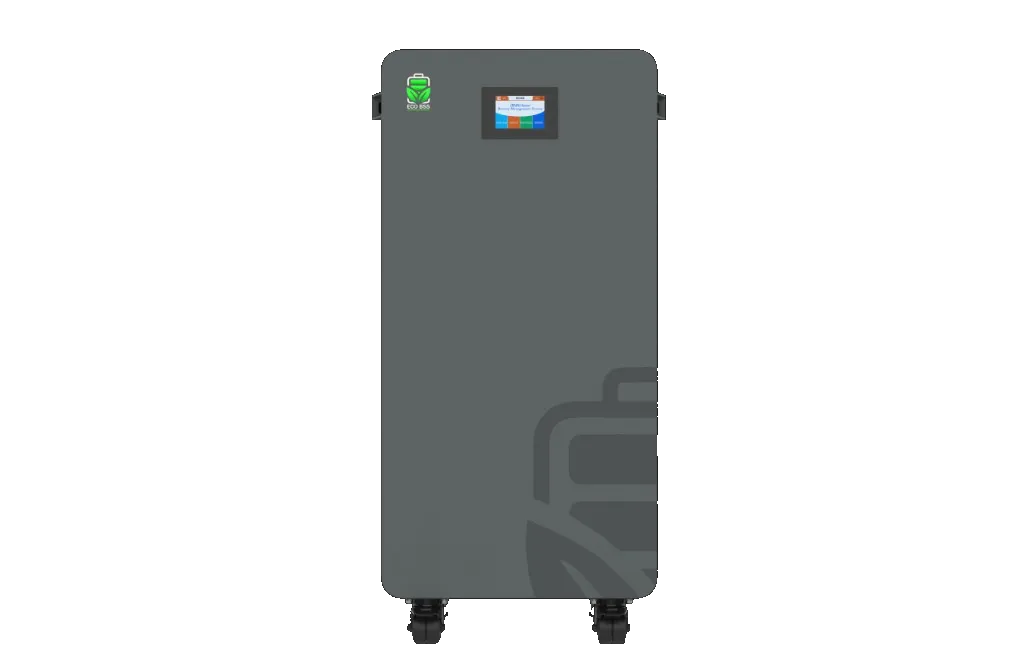
Energy storage stops being only an UPS brick. In Smart Trading posture the array becomes a node: charge in the tariff trough (night or negative/low hours), discharge into evening peak for self-supply or export — within connection limits and strategy.
| Mode | What the EMS prioritises |
|---|---|
| Profit / trade-oriented | Buy low (grid or excess PV timing), sell or displace high-price intervals — within TU power caps. |
| Autoconsumption only | Grid covers deficit only; export is leftover PV — no aggressive commercial arbitrage. |
Aggression is not binary. Buy/sell aggressiveness (typical UI baseline around 10%) is tuned seasonally: winter often buys night kWh harder; summer sells evening peaks harder while keeping a night buffer for the site. Hotel and office load shapes differ — see hotel / HoReCa and office / retail.
Treat “30–45% lost upside” figures as order-of-magnitude framing from poorly scheduled plants — re-quote against your load curve and live tariffs. The structural point stands: static schedules waste hourly value.
Typical chain: hybrid inverter → Wi-Fi/LAN datalogger → PowerWallet cloud engine. Telemetry on the order of minutes; the optimiser corrects power registers. Pairing uses logger serial + verification key so partners get a direct control path — not a third-party delay loop.
Architecture class still matters before the cloud can shine: LV vs HV for commerce.
Deep cycling to 0% SoC destroys cycle life. PowerWallet engineering practice for LFP sets a hard floor around 20% SoC: below that, discharge for self-use and especially for trade is blocked — the remainder is blackout reserve. Operating roughly 20–95% SoC is how commercial modules target multi-thousand cycles and decade-scale service with usable capacity retained. Chemistry context: LiFePO4 guide.
The UI merges 5-minute power flows (PV, charge/discharge, load, grid), tariff buy/sell maths, SoC overlaid on generation/load, and monthly savings / trade result for ROI audit. Role access lets a partner keep configure rights while finance stays on read reports — useful for hotels and multi-site owners.
Hardware from Tbilisi stock: inverters, energy storage. Strategies and licences — Academy INVERSOL FLEX.
Send load profile and connection limit — we map FLEX hardware + PowerWallet strategy with a partner.
Why hourly markets need an EMS.
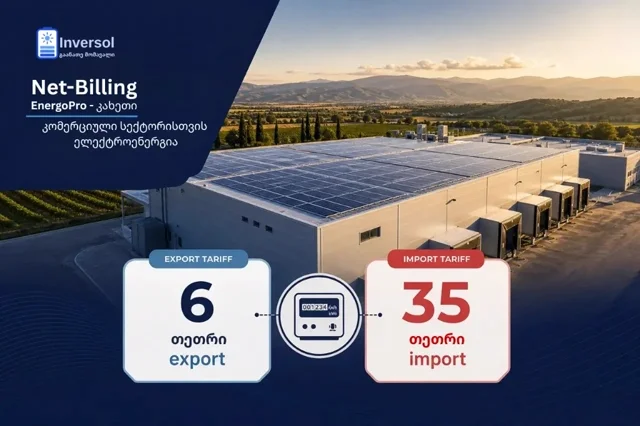
Why export without storage hurts.
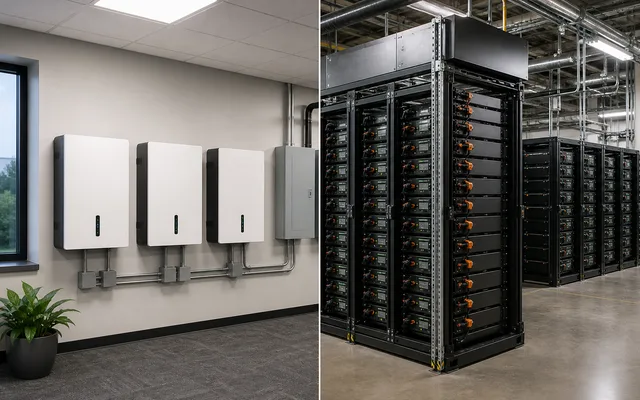
Architecture class before the cloud.
In-stock models from the Inversol warehouse — supply and install with Inversol and partners.