We use cookies for analytics, site improvement, and advertising features including Google Signals (cross-device reports and Google Ads audiences when you are signed into Google). Click "Accept" to allow analytics and advertising cookies, or "Decline" to continue without them. Read more in our
Privacy Policy.
Google Signals may link site activity with your Google Account data for advertising. Decline below, or manage ads at adssettings.google.com.
Install Inversol app
Quick access from your home screen
1Tap the Share button in Safari
2Select "Add to Home Screen"
3Tap "Add" in the top right
Open in Safari to install
To add Inversol to your home screen, open this page in Safari — tap ⋯ or the browser icon and choose "Open in Safari".
Uninterrupted Power for a Pharmacy and a Shop: Real Sizing
By Ana Kokhreidze — Marketing Specialist
What to keep on backup, how to choose the inverter and how to size the energy storage for a pharmacy or a shop.
Uninterrupted power matters as much for pharmacy chains as for shops. A power cut hits both takings and stock that spoils easily. The safety of food and medicine stock depends on how it is stored. Picture perishable goods in a shop fridge: the power suddenly goes and the products spoil. Everyone knows what that costs.
What a power cut costs a pharmacy or a shop
Broken cold chain and spoiled stock: pharmacies keep vaccines and other medicines that must not be stored above or below a set temperature. In grocery shops, dairy, meat and ready meals lose their shelf life quickly.
Tills and payments stop: in a power cut POS terminals, cash registers, barcode scanners and software go down, and the shop has to close for a while.
Connectivity and security go down: without internet, online orders, warehouse records, stock control and CCTV cameras stop.
Voltage spike risk: when the grid comes back, voltage spikes can damage fridge compressors and expensive retail equipment.
A generator looks like the answer, but noise, fuel cost and the wait for switchover take away the comfort. This is where a hybrid uninterrupted power system comes in: a hybrid inverter with LiFePO4 energy storage. Stock does not spoil, tills do not go dark, and when the power returns the storage recharges from the grid automatically. That is the comfort every business owner needs so the shop keeps working without interruptions or losses.
Critical loads: what to keep on backup
To keep the system budget under control, only the circuits the shop cannot work without go on backup. That way the right inverter and storage give the most comfort:
Refrigeration: medicine fridges, drinks and food fridges, freezers and so on.
Tills and equipment: computer, monitor, bank POS terminal, scanner, receipt printer and so on.
Lighting: main sales-floor lighting, work-area and display lights.
Connectivity and security: Wi-Fi router, CCTV, cameras and alarm.
Air conditioning, speakers and similar equipment stay off backup: they matter less during an outage and use a lot of energy. How to split the till and sales-floor loads: Office and retail: peaks and UPS for tills.
Choosing the inverter power
For example, in a small shop or pharmacy the load on backup is often 3.5–4 kW. To find your own consumption, add up the power on the equipment labels or look at the electricity bill; an electrician makes the exact measurement on site.
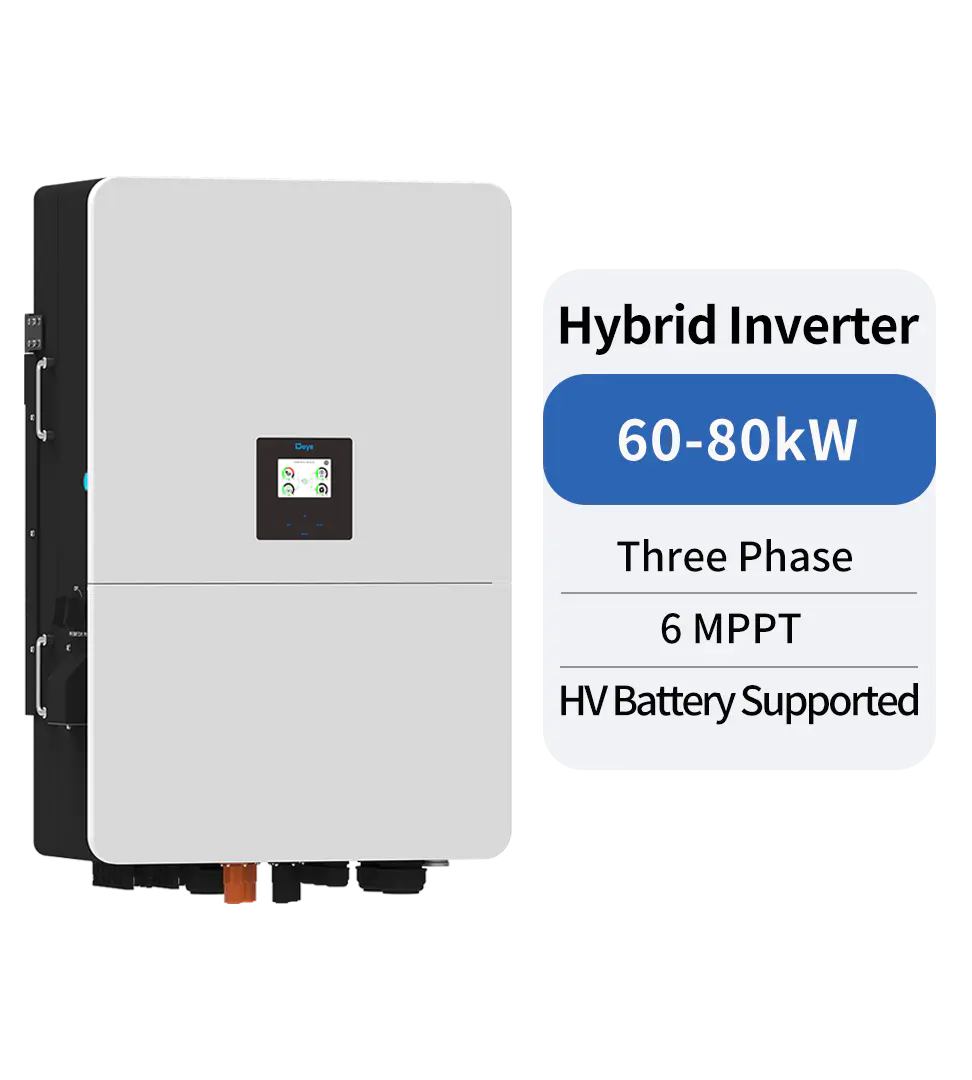
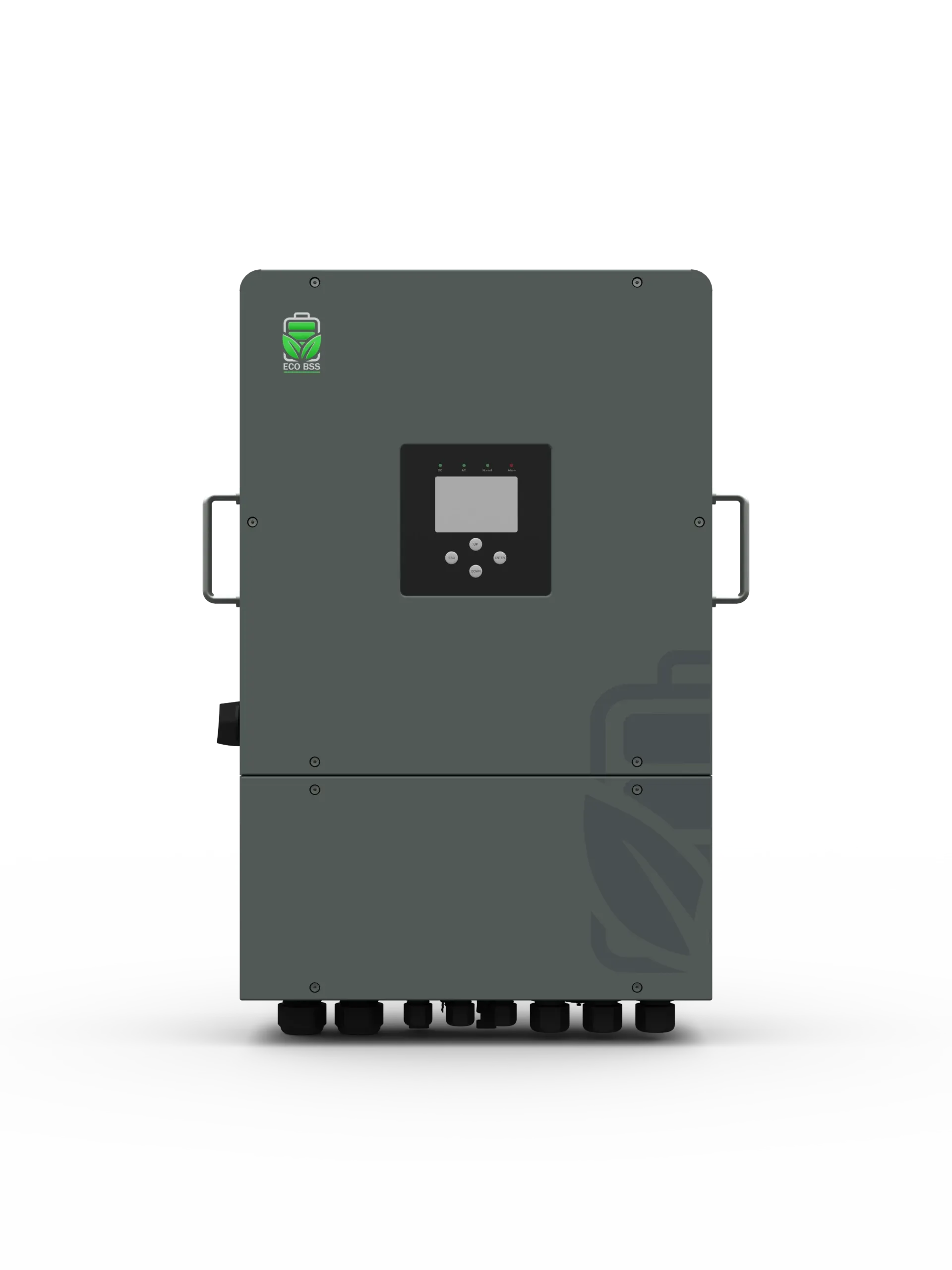
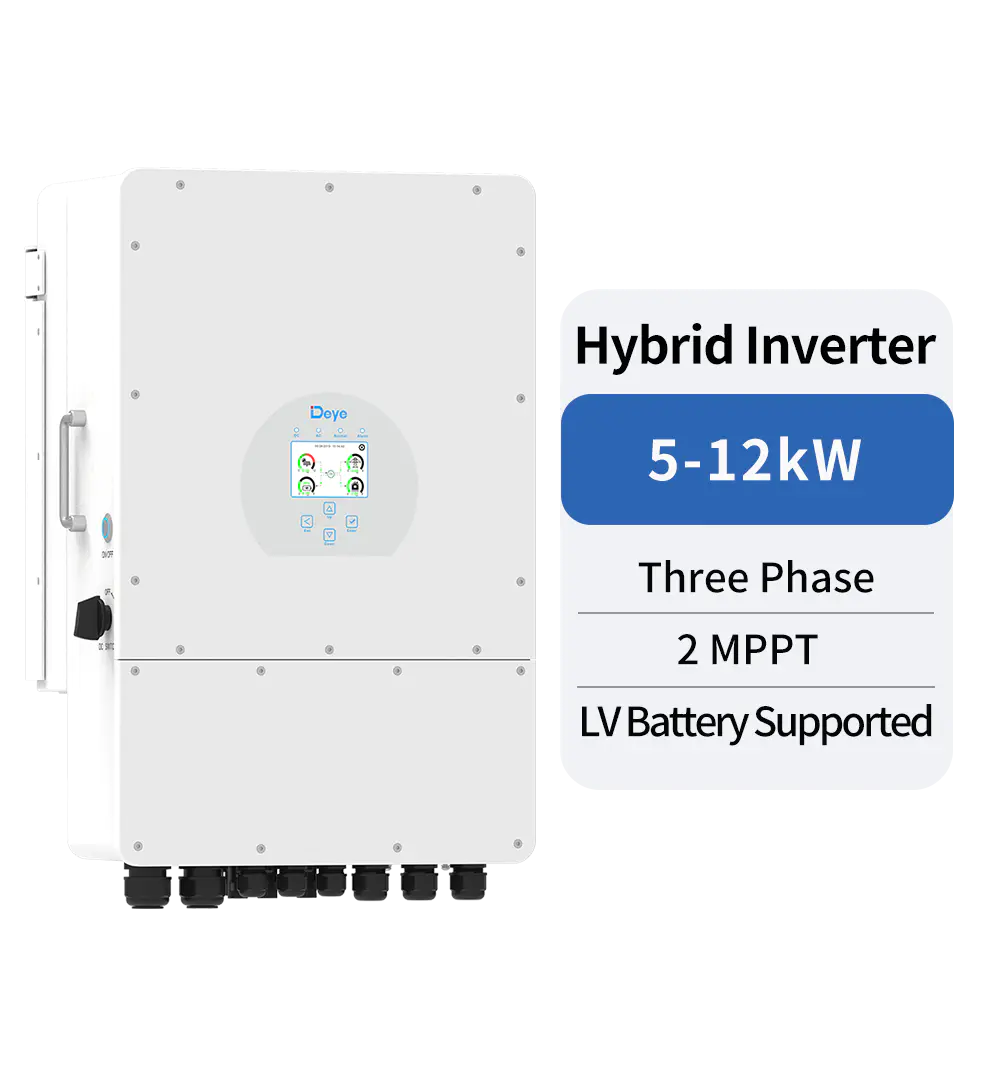
Fridge compressors draw 2–3 times their running current at start-up, and the inverter should not run at its 100% limit. So for 3–5 kW of real load a 6–10 kW hybrid inverter is optimal, single-phase or three-phase depending on the phases on site: how to choose.
How to size the energy storage
If the average real load is 3.5 kW (allowing for fridge compressors cycling), 3.5 hours of autonomy need:
Allowing for the recommended LiFePO4 depth of discharge (80–90%, to preserve the cycle life) and inverter efficiency (~93–95%), in practice you need storage of about 15 kWh.
If the load is closer to 4.5 kW or you want a full 4 hours of backup: 4.5 kW × 4 h = 18 kWh of usable energy, and with the same corrections a capacity of about 22 kWh.
Kit options: ECOBSS and Deye + HECKMAN
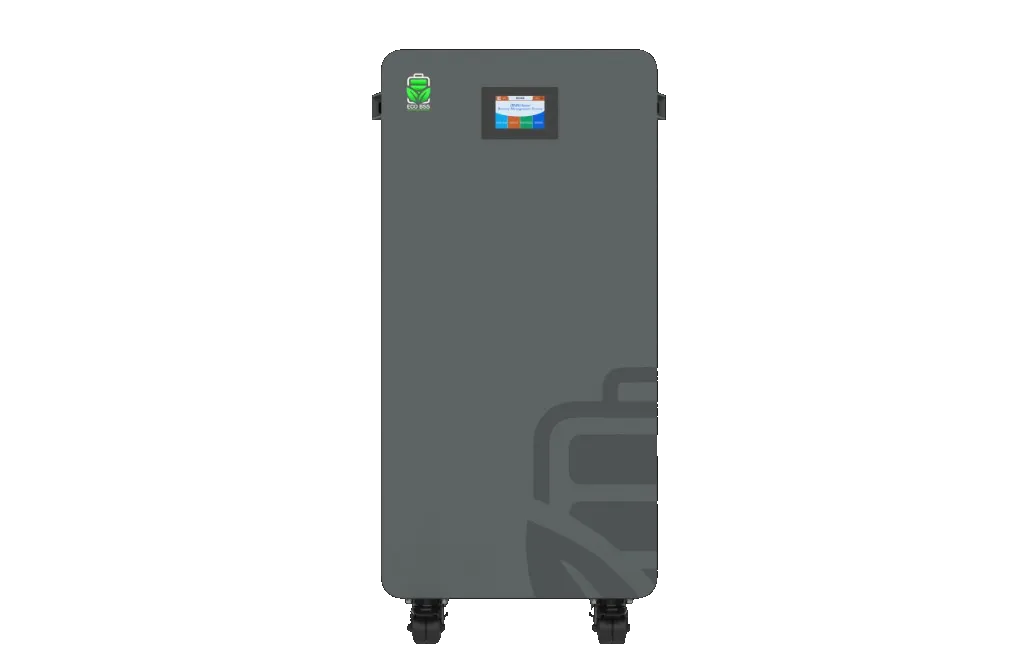
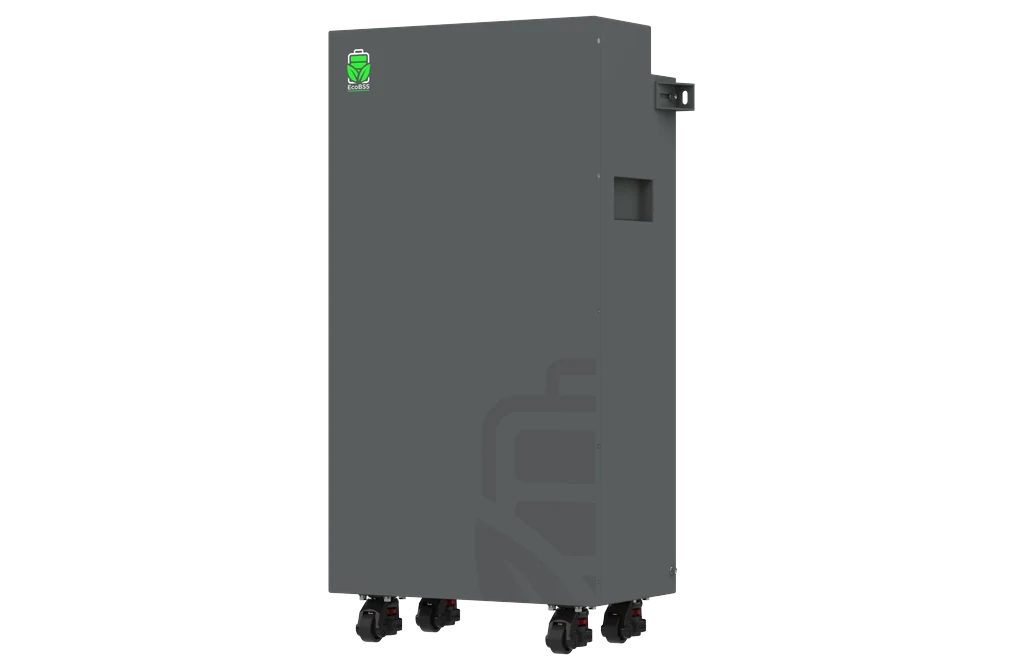
For retail and pharmacy sites we use LiFePO4 systems that are safe and long-lived: for example, ECOBSS STORE storage is rated by the manufacturer for more than 6,000 cycles (at 80% depth of discharge). The capacity you need is built by connecting several storage units in parallel.
Two ready kits with ~15 kWh of storage, ECOBSS (FLEX 3L + STORE L15) and Deye + HECKMAN, are compared with prices and differences in ECOBSS or Deye + HECKMAN.
We calculate the exact price and configuration after a site survey and a load measurement. For a first estimate use our online system constructor.
What the business gets
A backup power system gives the business stability and peace of mind.
Less lost stock: medicines and perishables keep the required temperature during a power cut, within the storage capacity.
No stoppages: while neighbouring shops wait for the power, your tills and terminals serve customers as usual.
Equipment protection: switchover in a power cut takes under 10 ms, so computers and tills do not reboot. For protection against voltage spikes the board needs a surge protection device (SPD); the partner checks this during installation.
Peak management (Peak Shaving): on larger sites the system can be programmed to cut peak consumption. More: Peak Shaving for business.
The economic effect is individual: it depends on how often outages happen at the location and on the value of the stock.
To know exactly which system your site needs, you need its load and how often the power goes. With that we choose the best option for you. Do not let an unstable city grid stop your business: with this system work goes on and you can be sure your equipment and stock are safe.
Need a calculation for your site?
Write on WhatsApp: +995 568 999 668. Tell us what must stay on backup and for how many hours, and the Inversol team will size the system for your site. You can also use the online constructor.
For 3–5 kW of real load a 6–10 kW hybrid inverter is optimal: fridge compressors draw 2–3 times more current at start-up and the inverter should not run at its limit. Single-phase or three-phase depends on the phases on site.
How much energy storage do 3–4 hours of backup need?
3.5 kW × 3.5 h = 12.25 kWh; allowing for depth of discharge and inverter efficiency you need about 15 kWh. For 4.5 kW and 4 hours: 18 kWh of usable energy, that is a capacity of about 22 kWh.
What should stay on backup?
Fridges, tills and POS terminals, main lighting, Wi-Fi, cameras and the alarm. Air conditioning and speakers stay off backup because they use a lot of energy.
Why is a hybrid system better than a generator?
No noise and no fuel, switchover in a power cut takes under 10 ms, and when the power returns the storage recharges from the grid automatically.
How much does a system for a pharmacy or a shop cost?
The price depends on the load and the backup time. Two kits with ~15 kWh of storage are compared with prices in “ECOBSS or Deye + HECKMAN”; the online constructor gives a first estimate, and we give the exact price after a site survey.
Office and retail solar in Georgia under Net-Billing: self-consumption, contracted peaks, POS UPS <10 ms. Link to peak-shaving deep dive. Request a site quote.