


Picture this: Friday evening, your restaurant fires every oven at once, the production hall starts heavy machines, or a packed hotel spins up dozens of air conditioners. In that moment, site demand hits the hard power limit set by the grid company.
The outcome? Protection trips, the site goes dark, POS and servers drop, production stops, and guests leave. If you exceed the limit without a trip, the business still faces steep penalties for overdrawn capacity.
The obvious fix seems to be begging the utility for more kilowatts. In this article, Inversol engineers explain a quieter technical path that helps companies work around monopoly bureaucracy: Peak Shaving with commercial energy bank energy storage (BESS).
Power Limits in Georgia: Why the Grid Says “No”
Growing businesses in Tbilisi, Batumi, and the regions eventually outgrow allocated capacity from Telasi or Energo-Pro.
Raising a limit from, say, 50 kW to 150 kW the traditional way often becomes a nightmare:
- Infrastructure deadlock. The local substation may already be overloaded. To grant more power, the network may require you to fund a new transformer.
- Time and bureaucracy. Design, approvals, technical conditions (TU), and a new high-voltage feed can take months.
- Huge CapEx. Bringing a new line to the site can cost hundreds of thousands of GEL — money that is buried in the ground instead of working in the business.
Peak Shaving lets you keep the existing grid connection while delivering the power your equipment needs right now. For solar export economics on commercial tariffs, see also our guide to Net-Billing for business in Georgia. Illustratively, a capacity upgrade with a new feeder can run into hundreds of thousands of GEL, while a correctly sized energy bank Peak Shaving kit is often a fraction of that CapEx — model scenarios in the system constructor.
How Peak Shaving Works in Practice
In business language: Peak Shaving is smart clipping of demand spikes using industrial energy banks and hybrid inverters.
- Charge (night). When plant or hotel load is lowest — and tariffs are cheapest — the system stores low-cost energy from the city grid or from solar panels.
- Discharge (peak). When ovens, chillers, and machines start together, site demand spikes. Instead of pulling the excess from the grid and breaching the limit, automation injects the missing kilowatts from charged energy banks.
- Result. Your equipment may draw 150 kW, while the utility meter “sees” only the allowed ~50 kW. The feeder is not overloaded, breakers stay in, and penalties stay off the books.
Anatomy: High-Voltage Inverters + Commercial BESS
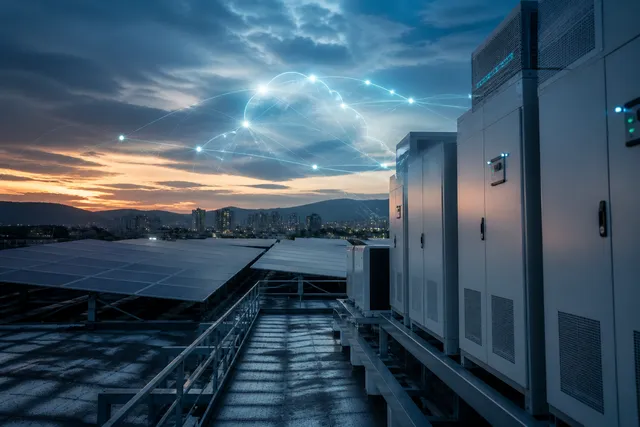
Household inverters are not enough. Peak Shaving for hotels, production lines, and supermarkets needs high-voltage commercial gear rated for 24/7 duty.
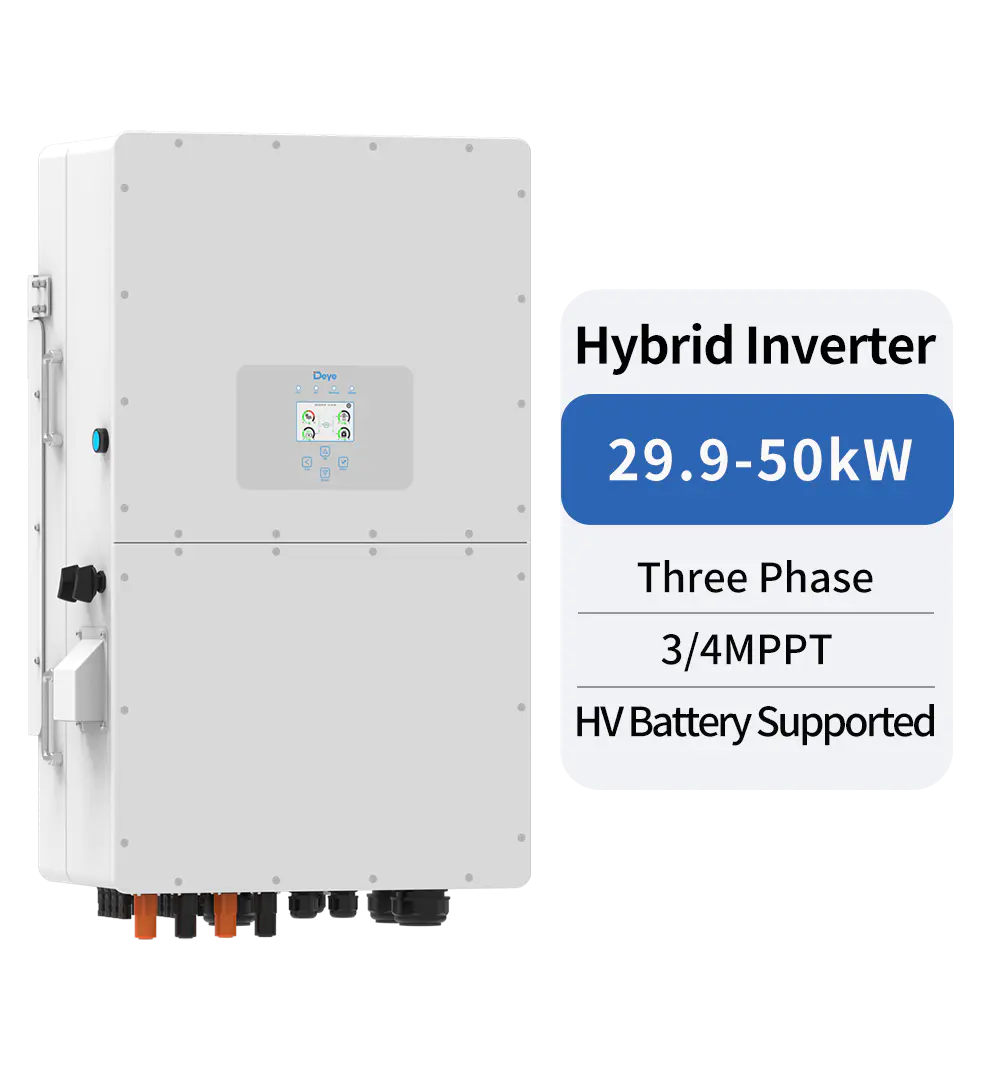
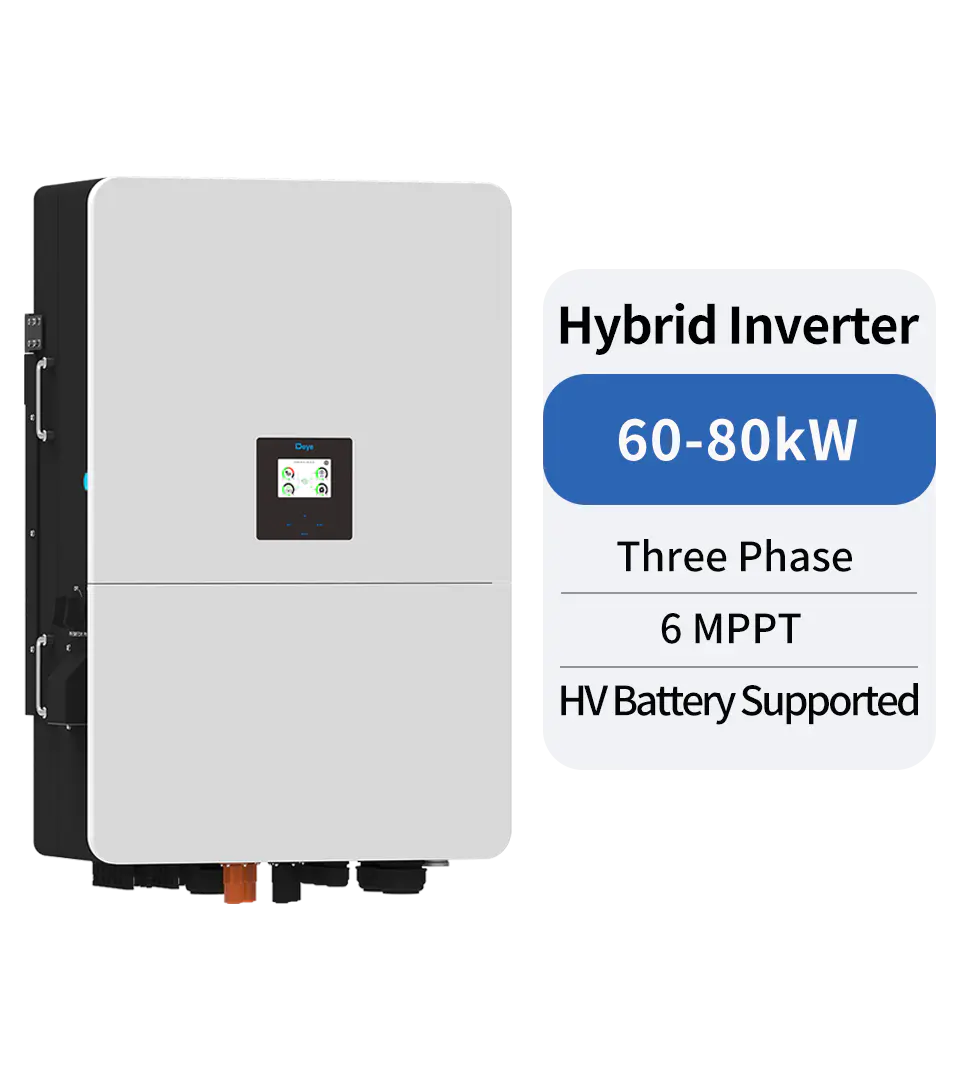
Heart of the system — HV hybrid inverters
Depending on site scale, Inversol deploys flagship industrial models such as the Deye SUN-30K or a high-power cluster based on the Deye SUN-80K. They handle large motor and compressor inrush without collapsing the bus.
Energy reservoir — industrial BESS
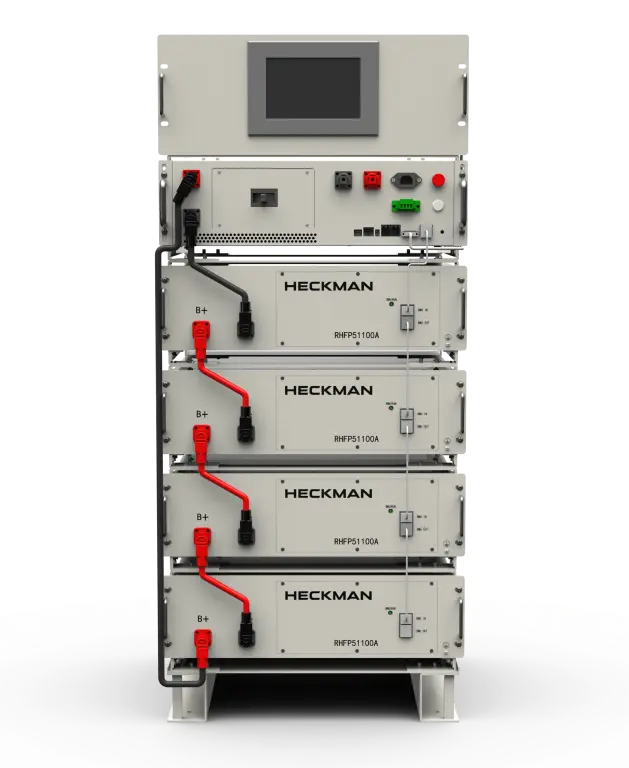
For reliable peak clipping and tens of kilowatt-hours of storage, we use HV LiFePO4 commercial racks. Leaders in this class are the scalable HECKMAN HV RHFP 60 kWh and Heckman HV RHFP systems — modular cabinets you can grow toward megawatt-hours as the business expands. Diesel replacement context is covered in The End of the Diesel Era: AIO systems.
Economics for Owners: What the Business Saves
A Peak Shaving system is CapEx with a clear ROI path. Three main savings buckets:
- Day/night tariff arbitrage. Buy electricity cheap at night, spend it during expensive daytime peaks.
- Avoid buying new capacity. Skip the CapEx you would otherwise pay the utility for new lines and transformers.
- Blackout protection (business UPS). Beyond peak clipping, the same stack is a site-scale UPS. When a Telasi feeder fails, servers stay up, tills keep printing, and cold rooms hold product. One avoided production stoppage can cover a large share of the system cost. For apartment-scale silent UPS without panels, see hybrid inverter as apartment UPS.
Conclusion
Your business should not stall because of grid infrastructure limits. Commercial energy storage is available in Georgia and already used by forward-looking companies to cut OpEx.
Short on allocated power — or paying painful commercial electricity bills? Request an engineering audit from Inversol. Message us on WhatsApp or use the form below: we review your load profile and model Peak Shaving payback for your site.