


Peak shaving B2B
Capacity peaks — engineering deep dive.
Install Inversol app
Quick access from your home screen
Open in Safari to install
To add Inversol to your home screen, open this page in Safari — tap ⋯ or the browser icon and choose "Open in Safari".
Scenario for shops and offices: Telasi / Energo-Pro peaks, open hours vs evening import, cash desks and CCTV — without marketing “0 GEL”.
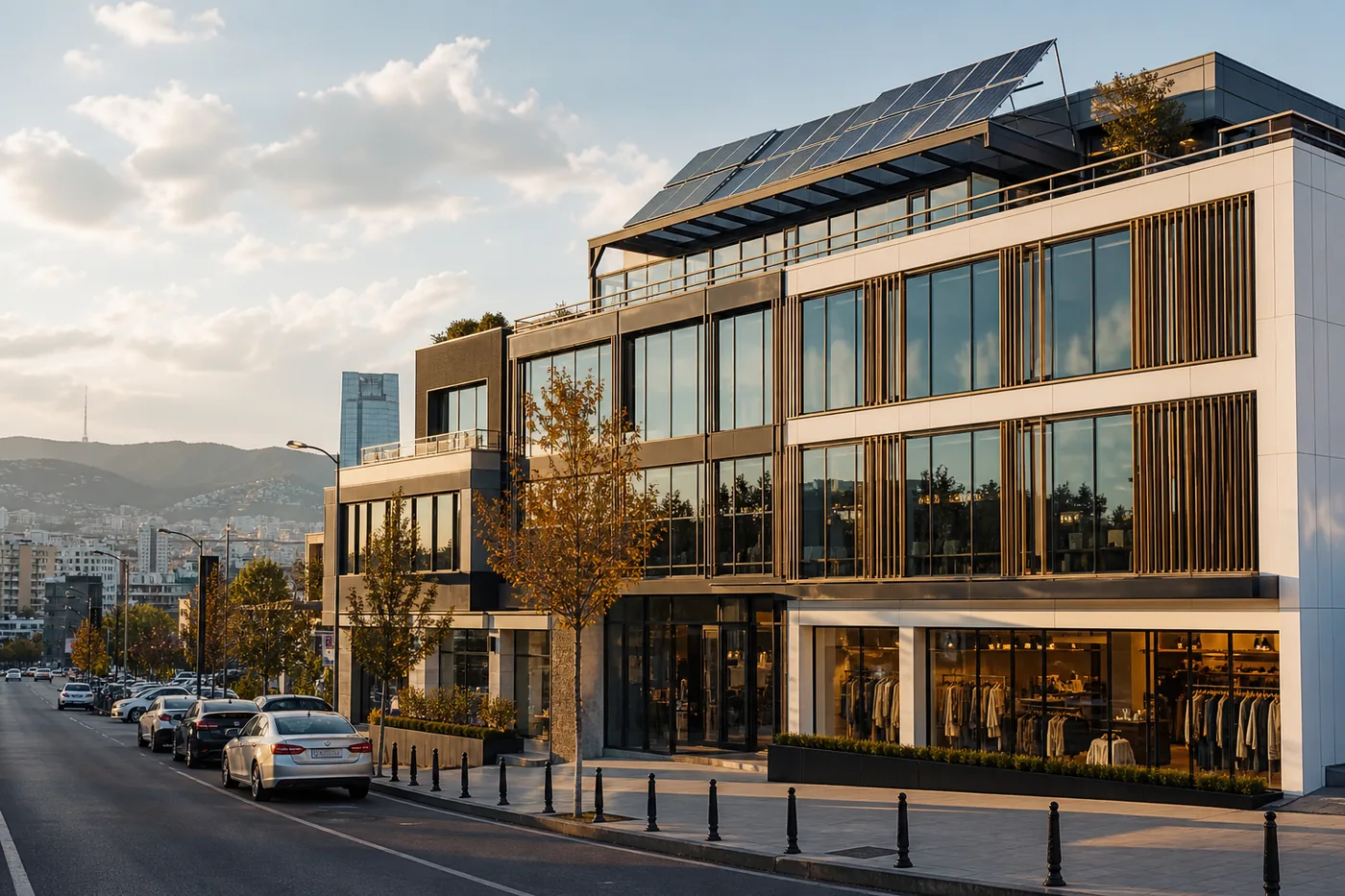
A mall wing in Tbilisi or a Batumi showroom does not fail like a hotel kitchen — it fails when the POS freeze, the access controller drops, or the contracted capacity trip kills HVAC mid-afternoon. Diesel arrives late. On-grid PV alone sells cheap daylight and still buys the evening peak. Hybrid + energy storage is the site stack that matches the business day.
Owners often shop for “panels so the meter stops”. Under Net-Billing that KPI is wrong. Office / retail sites need:
Hospitality loads (kitchen, SPA, banquet) are a different shape — see hotel solar + storage. This article stays on office hours and retail floors.
Most shops and offices peak between 10:00 and 18:00: cooling, lighting, computers. That is exactly when Georgia PV is strong. Priority order on a hybrid:
Toward 2027, sites without storage strategies age faster when GENEX hourly balancing lands — today’s Net-Billing alone is not the whole CAPEX story.
Commercial contracts often punish the highest 15–30 minute demand more than the monthly kWh total. A short AC + elevator + oven spike can set the bill for the whole month. Hybrid + storage discharges into that spike so the grid meter never sees it — that is peak shaving at site level.
We do not re-derive the formulas here. For CT placement, power limits and BESS sizing math, use the deep dive: Peak Shaving for B2B in Georgia. Owner takeaway: log a week of 15-minute demand before you buy kW of inverter.
Do not put the entire retail floor on the UPS port. Put what kills revenue and compliance:
HVAC and decorative lighting can ride the backup / Smart Load strategy or shed first. That keeps LiFePO4 kWh honest for hours of blackout — not minutes of full HVAC. Same logic as apartment UPS sizing, but with commercial stakes: apartment UPS guide for topology; reputation cost: Reputation Without Blackouts.
When storage is full at noon and the grid will not take export, Smart Load can pre-cool a stockroom, run water heaters for staff facilities, or charge staff EV sockets — instead of clipping MPPT. If a genset already sits behind the shop, wire it to the Gen port: storage covers blinks; diesel only for long feeder faults. Fuel hours drop; POS never reboots.
| Site | Typical guide | Architecture |
|---|---|---|
| Boutique / single office floor | ~5–20 kW hybrid + 10–30 kWh storage | LV 51.2 V LiFePO4, simple service |
| Multi-shop / small mall tenant cluster | paralleled LV or step to HV | Shared peak strategy + per-tenant UPS lists |
| Large retail / warehouse office | tens–hundreds of kW | HV BESS racks when cable runs and peaks dominate |
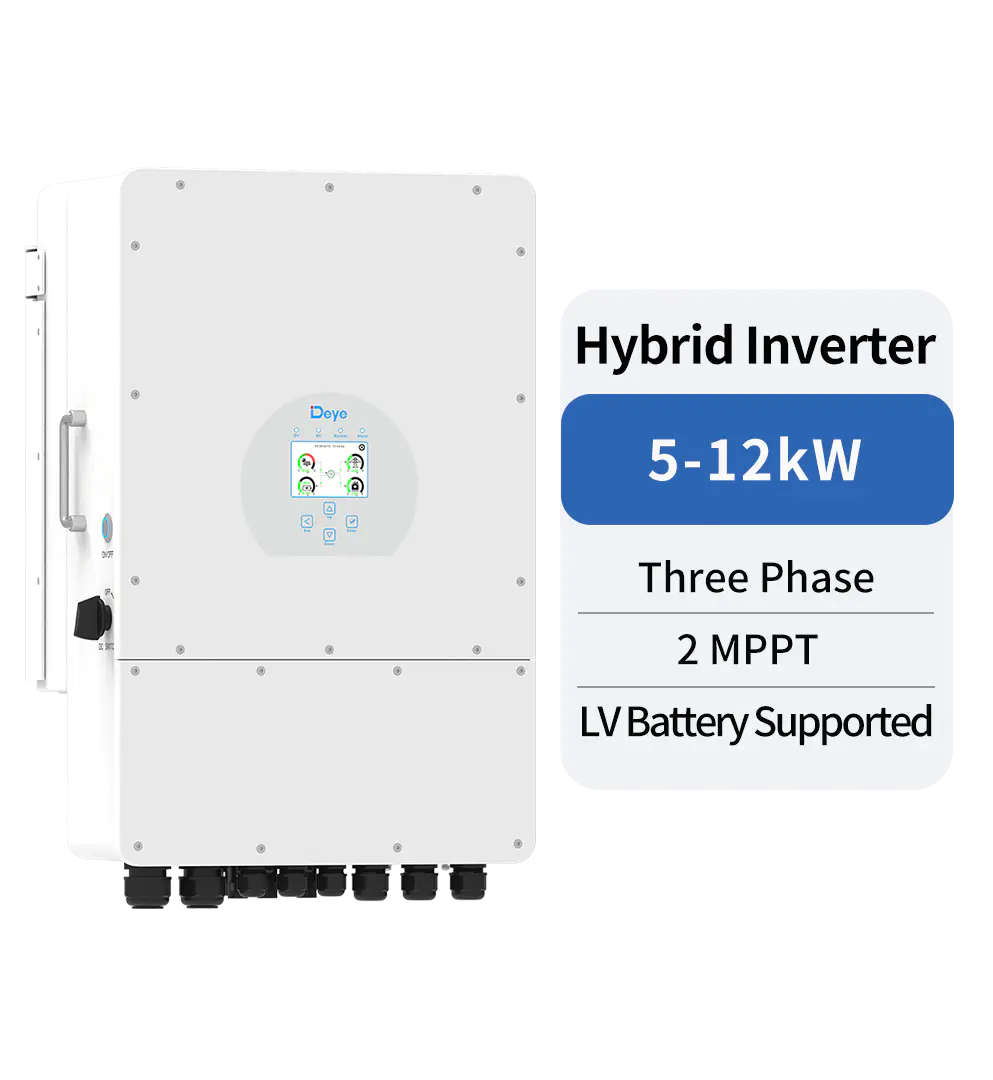
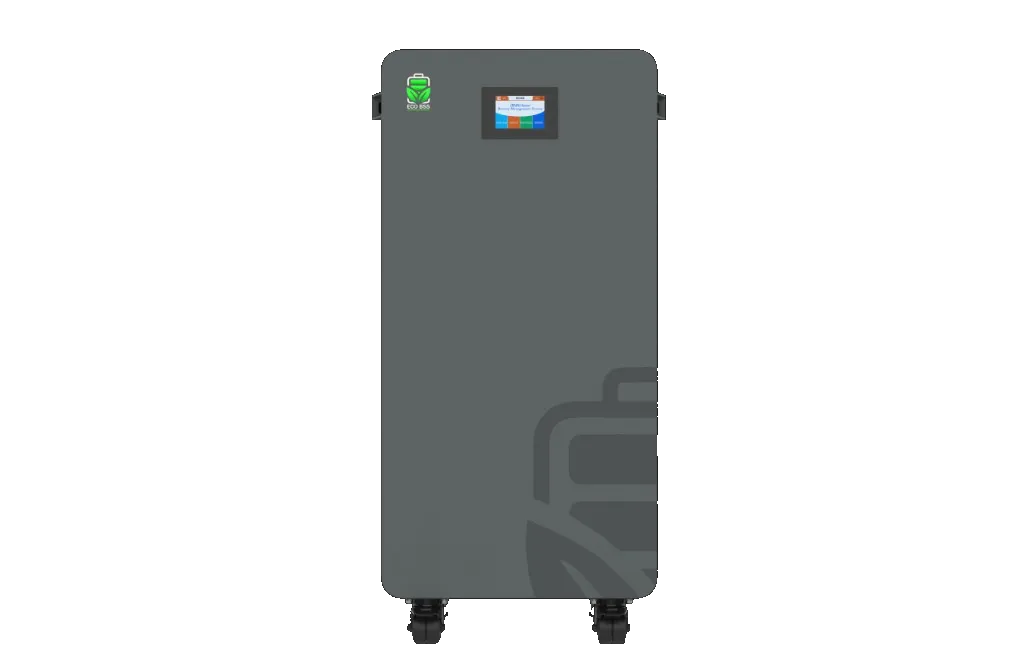
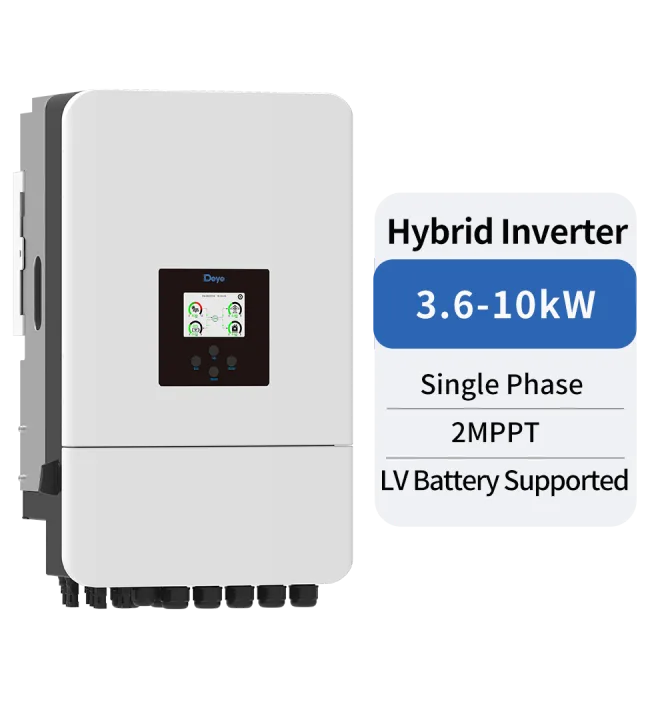
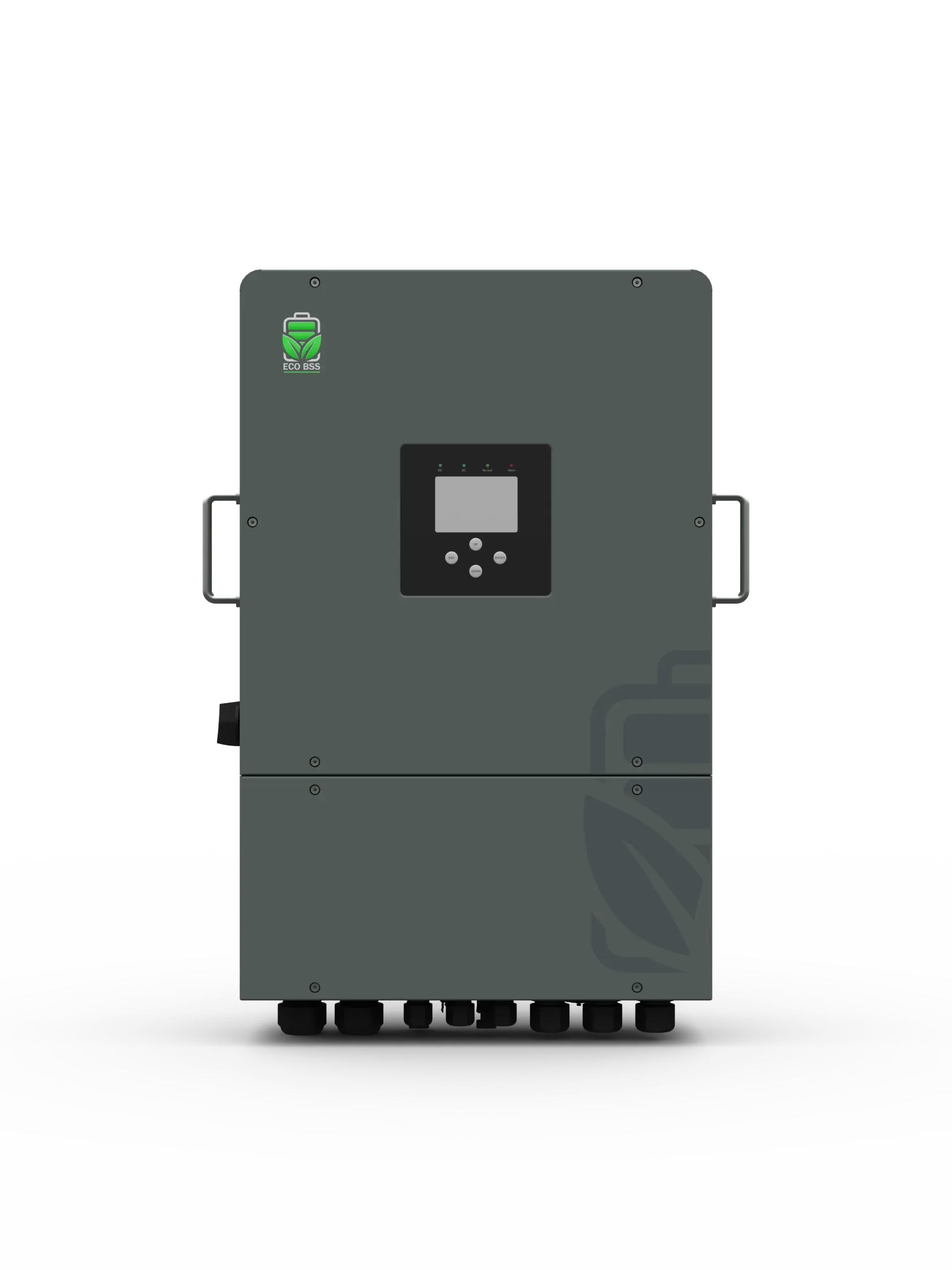
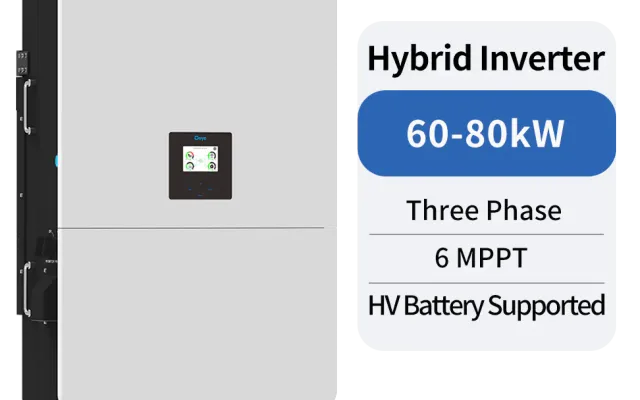
Pick iron class carefully — marketplace HF kits fail blending and metering: hybrid vs cheap inverter. Office/retail examples from stock: Deye SUN-12K or SUN-15K with ECOBSS STORE L15 — run the calculator. Catalogs: inverters, energy storage.
Install via accredited partners. Strategies and ports: INVERSOL FLEX.
Office and retail solar in Georgia is a hybrid energy system: self-consume while the doors are open, shave the peaks that set the capacity fee, and keep the cash desk alive when the feeder blinks. Panels alone are an ESG photo — not a POS strategy.
Disclaimer: OPEX/ROI depend on tariff, contracted capacity, PV area and load shape. Guide as of August 2026; quote from live site data.
Send a demand log or Telasi/Energo-Pro bills — we propose hybrid + storage from stock and connect a partner for install.
Capacity peaks — engineering deep dive.
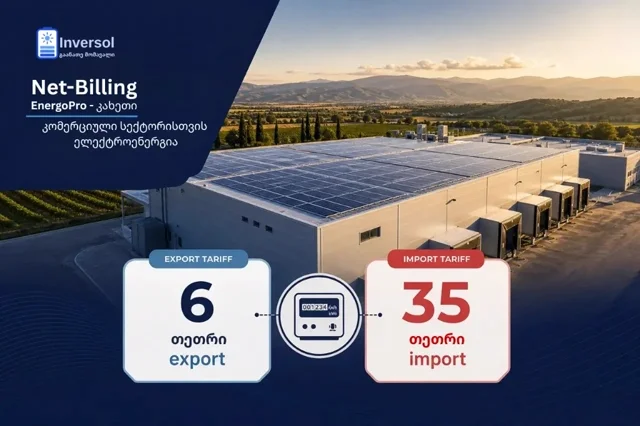
Why export without storage hurts.

EMS cloud for peaks + self-consumption.
In-stock models from the Inversol warehouse — supply and install with Inversol and partners.