


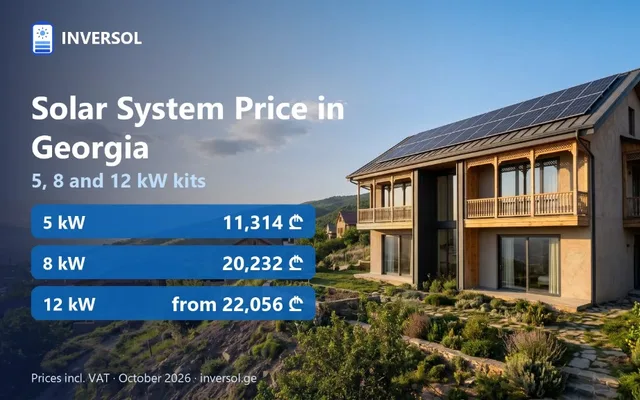
Solar system price in Georgia
Kits 5, 8 and 12 kW with VAT.
Install Inversol app
Quick access from your home screen
Open in Safari to install
To add Inversol to your home screen, open this page in Safari — tap ⋯ or the browser icon and choose "Open in Safari".
No complicated physics: how the runtime is calculated and what a typical Georgian home really draws.
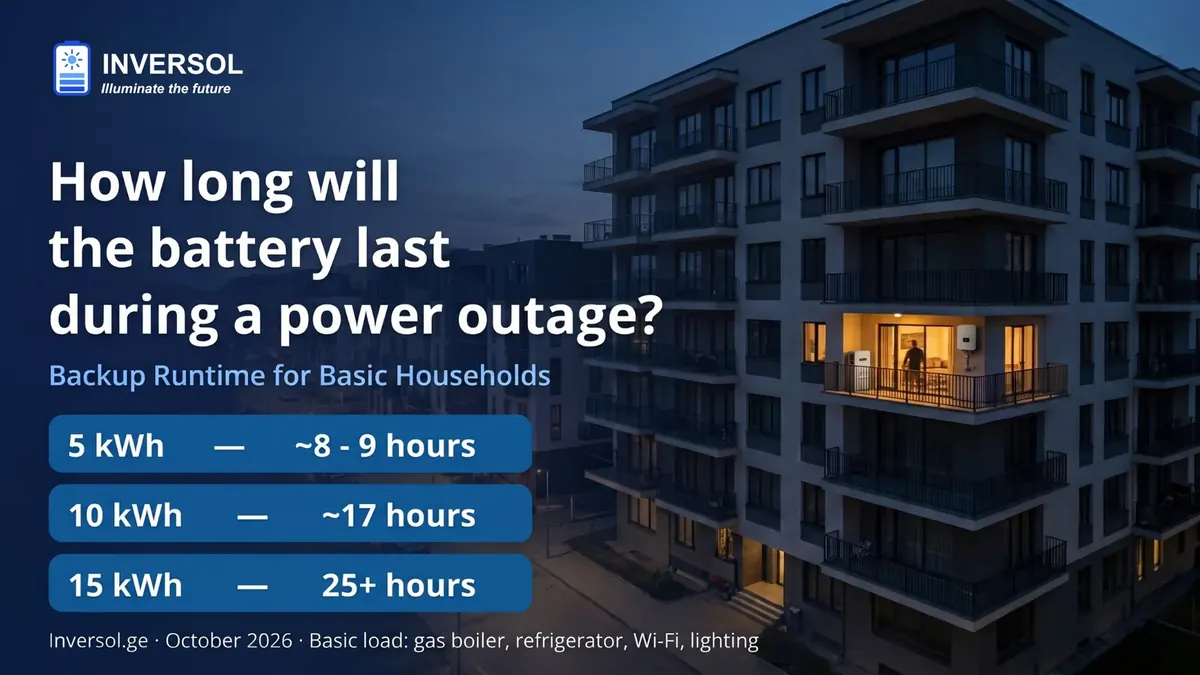
Power cuts are a familiar problem in Georgia: the heating boiler stops, the fridge thaws, the internet drops and work stops. That is why many people install a hybrid inverter and a battery — to keep power in the house without interruption.
Before buying, everyone asks the same thing: “OK, I will buy a battery — but how long will it last?” The answer is simple: it depends on what you switch on. Below we explain, without heavy physics, how the time is calculated and how many hours a 5, 10 and 15 kWh battery gives.
The number on the battery (for example 5 kWh) does not mean you can drain all of it to zero. In practice the runtime is calculated like this:
So the usable energy is:
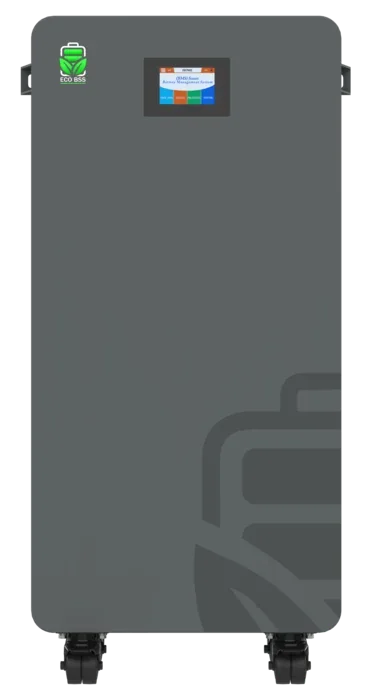
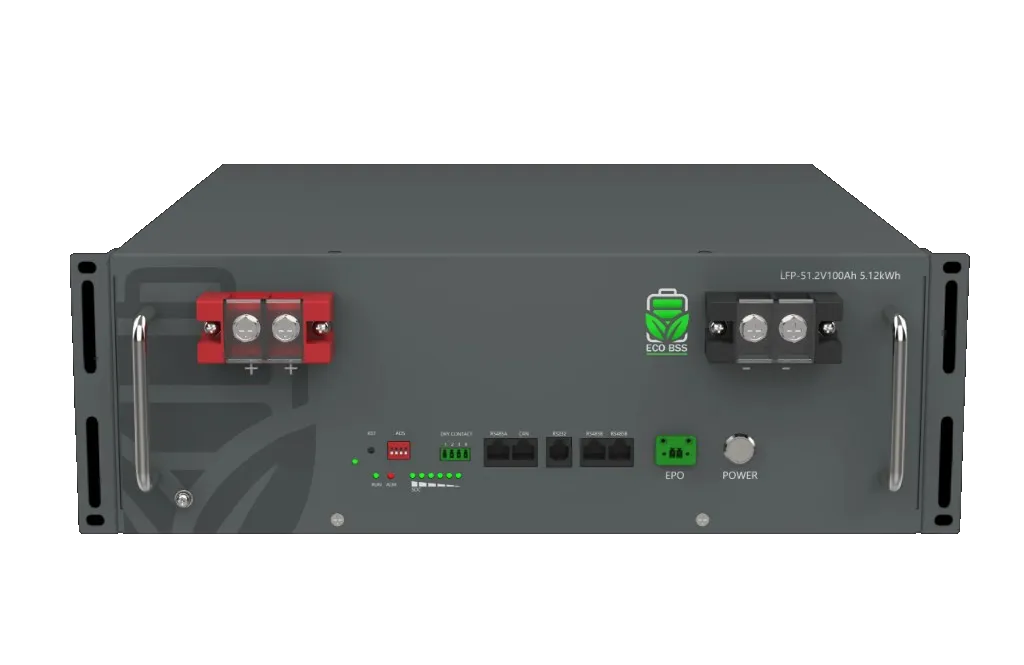
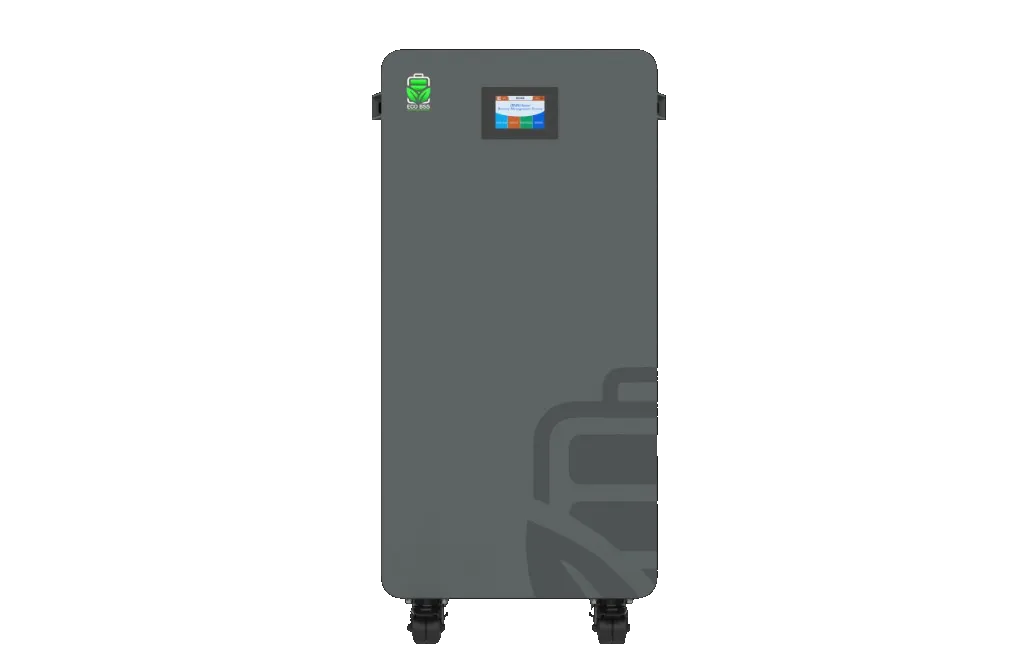
Exact capacity of each model is on its product page: ECOBSS STORE L5, ECOBSS STORE L10, ECOBSS STORE L15.
Instead of using a calculator, find your battery size and your load in this table:
| Load | What it means in practice | 5 kWh | 10 kWh | 15 kWh |
|---|---|---|---|---|
| 0.5 kW (500 W) | Basic comfort: gas boiler, fridge, Wi‑Fi, LED lighting, TV and laptop. | 8.6 h | 17.1 h | 25.7 h |
| 1.0 kW (1000 W) | Basic + work mode: the above plus computers, a juicer or a washing machine (cold water). | 4.3 h | 8.6 h | 12.8 h |
| 2.0 kW (2000 W) | Summer or winter mode: basic appliances + one air conditioner or a small heater. | 2.1 h | 4.3 h | 6.4 h |
| 3.0 kW (3000 W) | Active use: two air conditioners, kitchen appliances, a water pump. | 1.4 h | 2.9 h | 4.3 h |
| 5.0 kW (5000 W) | Almost everything switched on at once. | 0.9 h | 1.7 h | 2.6 h |
The table assumes a constant load. Also check the inverter rating: the sum of appliances running at the same time must not exceed the inverter’s rated power (for example, a 2 kW kettle works on a 3.6 kW inverter, but together with other loads it can overload it).
People often think that a fridge, a kettle and a washing machine will drain the battery in half an hour. In reality appliances do not run at full power all the time:
As a result, an ordinary apartment or house with a gas boiler needs on average about 300–500 W (0.3–0.5 kW) for a calm life: boiler, fridge, light, internet, phones.
If the outage lasts a long time — 1–2 days — a battery alone will sooner or later run flat. This is where solar panels come in. With a full hybrid system (panels, battery and inverter):
For the price and contents of a full kit see: how much a complete solar system costs in Georgia (5, 8 and 12 kW).
Open the online constructor, select your appliances and get an exact calculation, or write to us on WhatsApp: +995 568 999 668. The Inversol team will help you choose the right battery.
Kits 5, 8 and 12 kW with VAT.
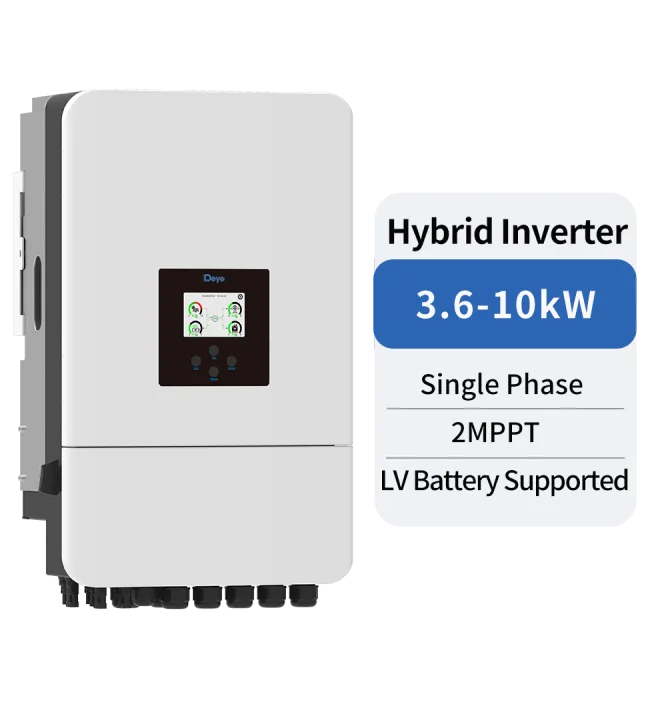
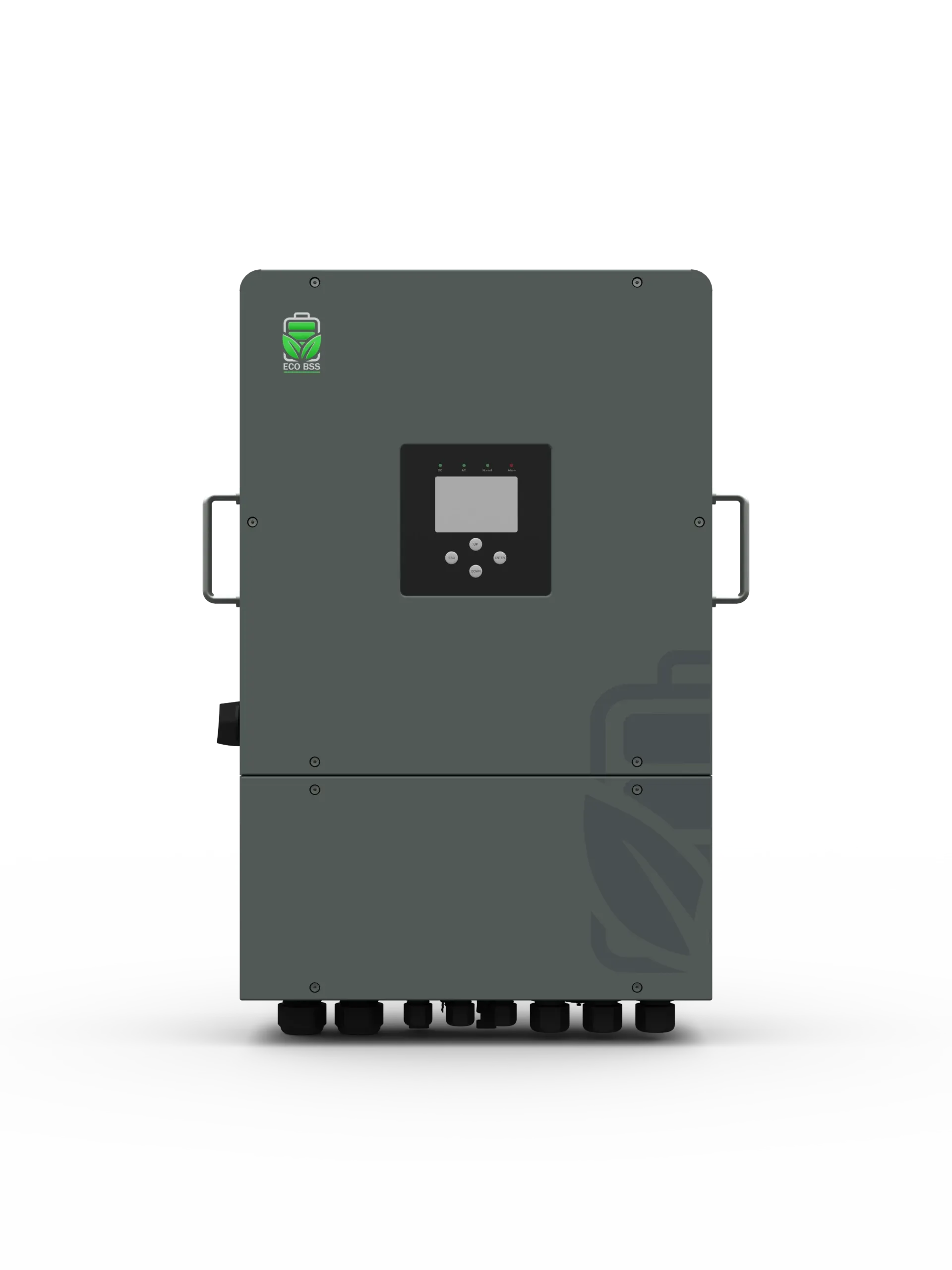
Hybrid inverter without panels.
Cycles, safety and price.
Field notes from Inversol Academy for the codes you are most likely to meet with this equipment.
In-stock models from the Inversol warehouse — supply and install with Inversol and partners.
3419₾

7562₾
9106₾
4925₾
7720₾
6350₾