



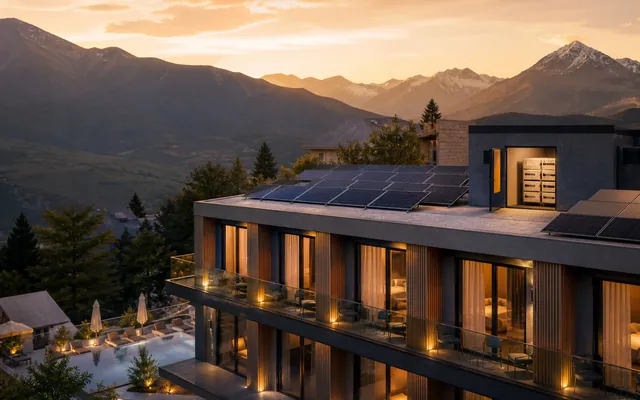
Hotel / HoReCa solar
Self-consumption + evening buffer.
Install Inversol app
Quick access from your home screen
Open in Safari to install
To add Inversol to your home screen, open this page in Safari — tap ⋯ or the browser icon and choose "Open in Safari".
Energy storage has evolved dramatically. Today LiFePO4 is the clear leader for commercial and industrial projects in Georgia.
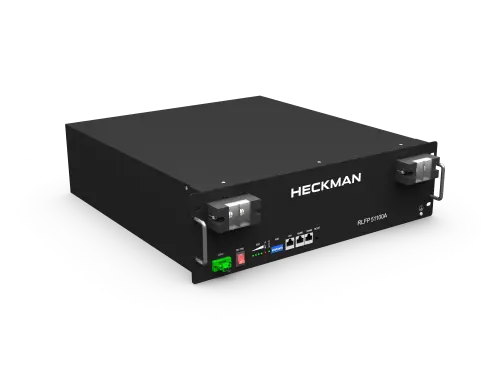
Lead-acid and cobalt-based lithium-ion (LiCoO₂) energy banks once dominated the market. For solar ESS, business backup, and hybrid inverters, LiFePO₄ is now the industry standard. Here is how it works and why it matters.
A cell has four main components. The cathode chemistry is the key differentiator.
During charging, lithium ions (Li⁺) leave the cathode, cross the electrolyte, and embed in the anode. During discharge, ions return to the cathode and electrons flow through the external circuit to power your equipment.
Phone and many EV batteries use lithium cobalt oxide (LiCoO₂). Overheating releases oxygen from the cobalt oxide, triggering thermal runaway and fire.
LiFePO₄ relies on a strong phosphorus–oxygen (P–O) covalent bond. Under extreme heat, short circuit, or puncture the crystal structure does not collapse or release oxygen. No oxygen means no combustion — which is why LiFePO₄ is chosen for restaurants, warehouses, hotels, and industrial sites across Georgia.
For business, technology only matters when it delivers measurable ROI.
6000–8000 cycles (lead-acid: 300–500). That is 15–20 years of daily use.
90–100% discharge without degradation — use all the capacity you paid for.
~3.2 V per cell for 95% of discharge — full power until the end.
−20°C to +60°C — ideal for Georgia's climate.
No toxic cobalt. Phosphate and iron are safe and recyclable.
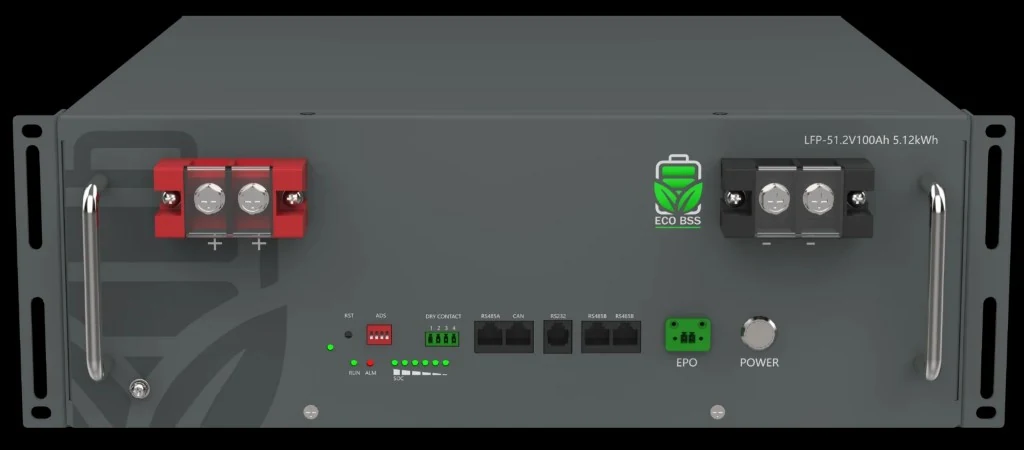
16 cells = 51.2 V — the ideal LiFePO4 ESS voltage for hybrid inverters. Stack modules to match your inverter and backup capacity.
0–100% in 1–2 hours vs 10–14 hours for lead-acid.
Partial charges (e.g. 30→80%) extend cell life.
2–3% per month — ready after a year in storage.
50–70% lighter than lead at the same capacity.
LCOE per cycle is 4–5× lower — cheapest storage over 10 years.
Energy bank Management System balances cells and cuts power on over-voltage or over-temperature.
LiFePO₄ solves the three pillars of energy storage: safety, longevity, and economics. Combined with a hybrid inverter and solar array, LiFePO₄ systems give businesses in Tbilisi and across Georgia uncompromising power security. For apartments and homes that need silent backup without panels, see our guide to a hybrid inverter as apartment UPS.
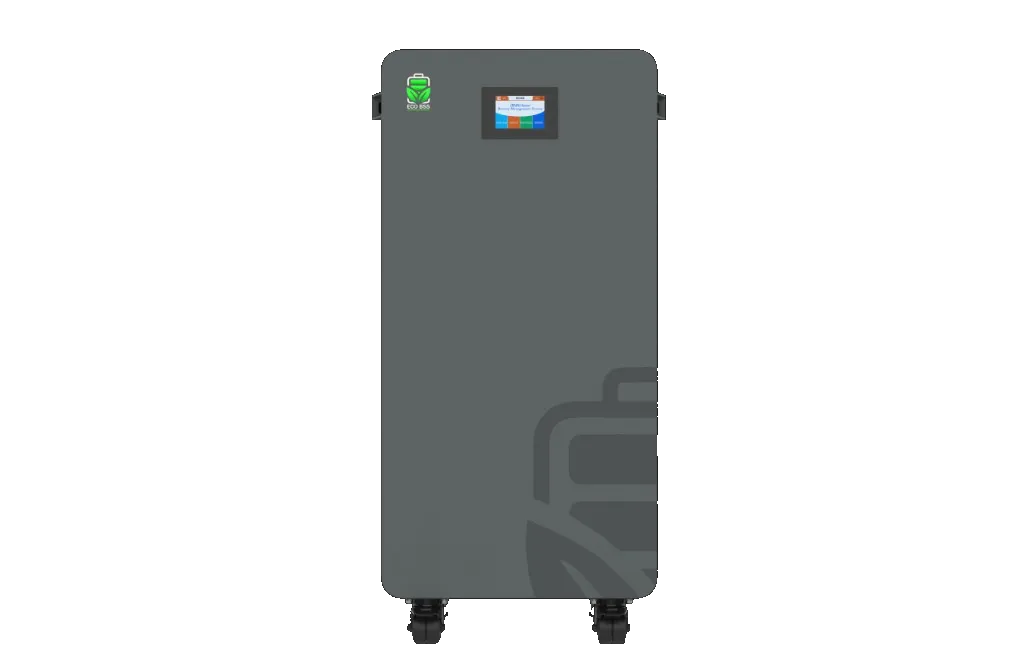
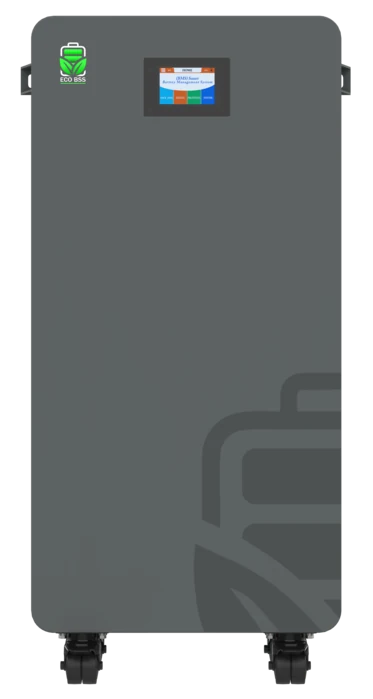
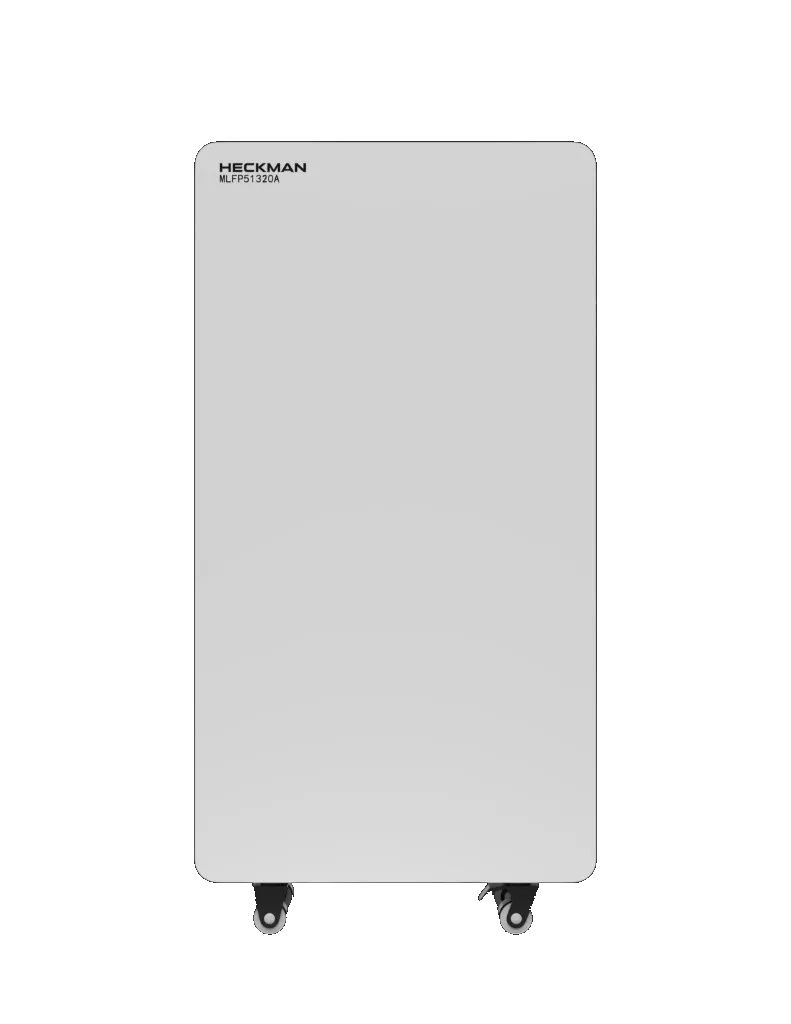
Inversol supplies certified low- and high-voltage LiFePO₄ modules with local support and warranty — from compact HECKMAN 5 kWh and ECOBSS STORE L10 to commercial HECKMAN HV RHFP 60 kWh. Browse our energy bank range or request a quote via contact.
How LiFePO4 earns money under Net-Billing in hospitality: hotel solar + storage. Why storage belongs in 2027 CAPEX: GENEX.
Self-consumption + evening buffer.
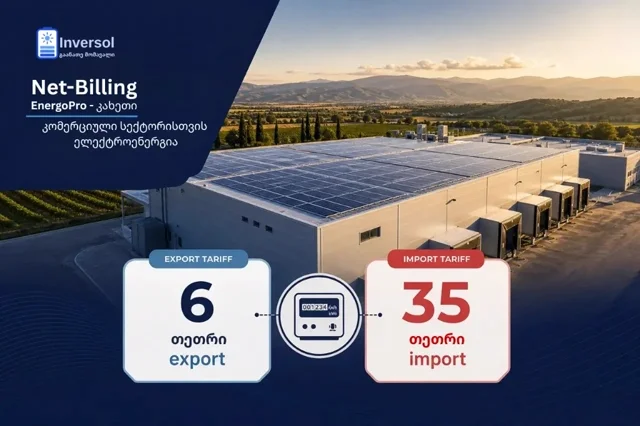
Why export without storage hurts.
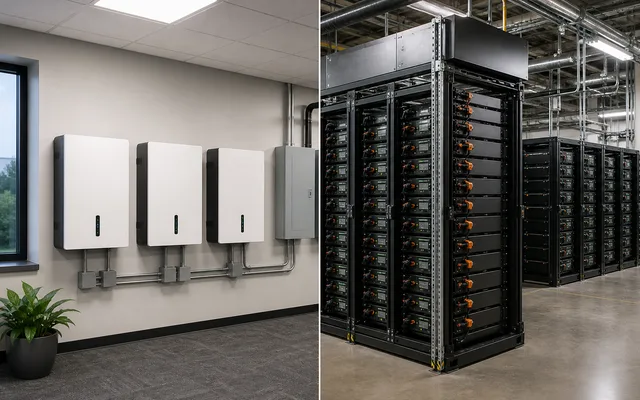
51.2 V commerce default vs HV scale.
In-stock models from the Inversol warehouse — supply and install with Inversol and partners.