



Office & retail
Peaks + POS UPS scenario.
Install Inversol app
Quick access from your home screen
Open in Safari to install
To add Inversol to your home screen, open this page in Safari — tap ⋯ or the browser icon and choose "Open in Safari".
Business framing: safety, cable, CAPEX around ~30 kWh, when HV is inevitable — not a DIP-switch manual.
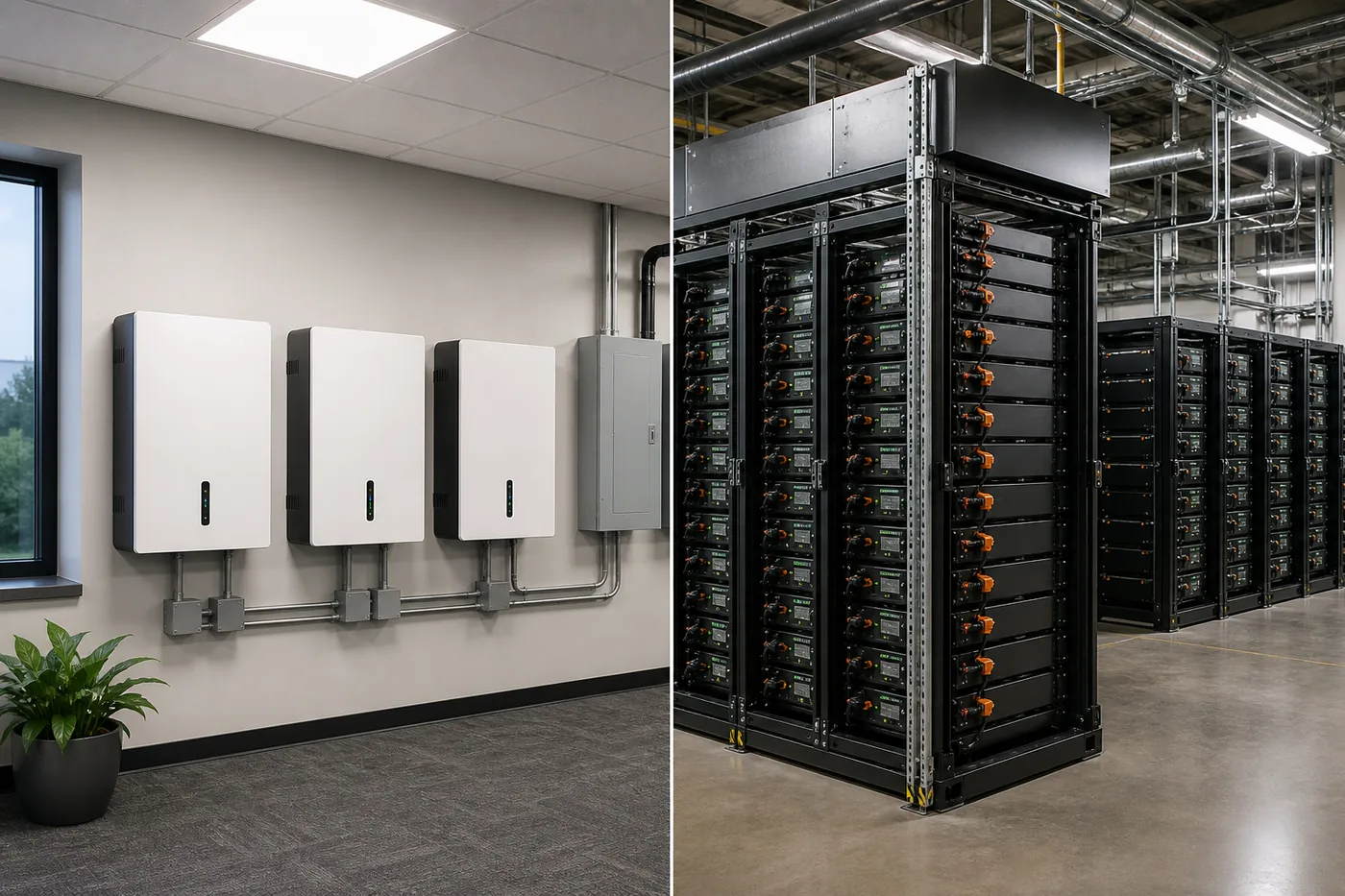
Owners often ask the tech team for “the best energy storage”. The real first question is architecture: LV (~51.2 V nominal) or HV (hundreds of volts DC). Wrong class locks CAPEX, service risk and how you grow the plant for five years.
Site scenarios: office / retail, hotel / HoReCa. This page stays on the CFO choice between LV and HV.
Marketing still says “48 V systems”. In modern LiFePO4 hybrids the nominal is typically 51.2 V inside a ~40–60 V window. For buyers that means: quote and warranty language should match the datasheet — not a synonym that drifts into wrong SKUs. Chemistries and cycle life: LiFePO4 guide.
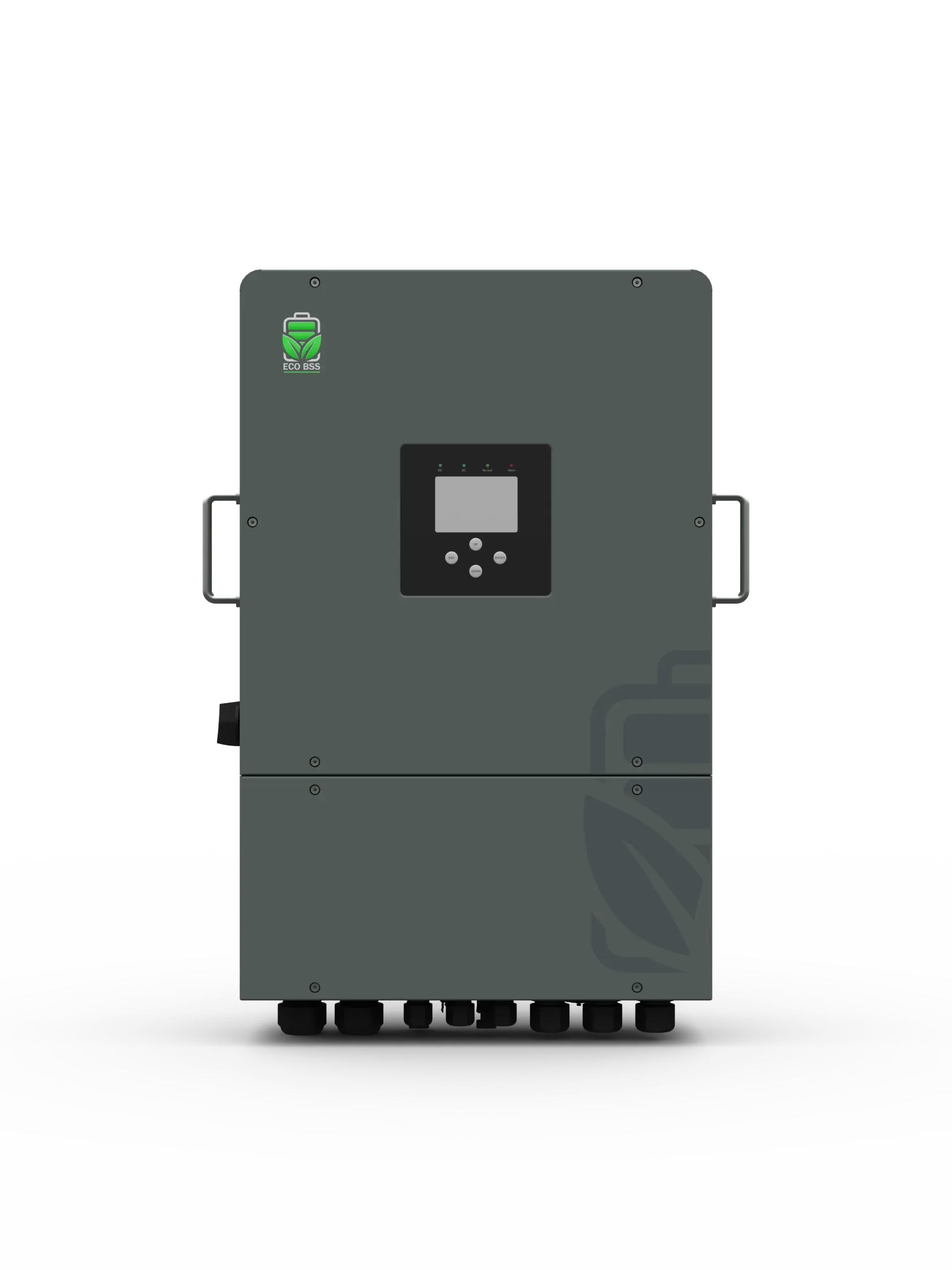
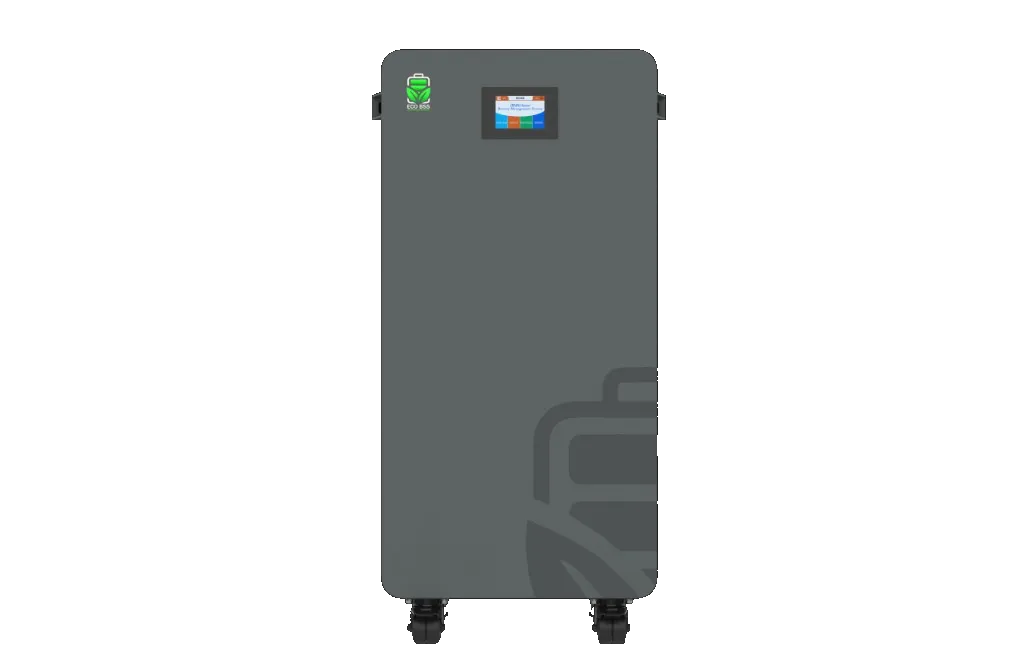
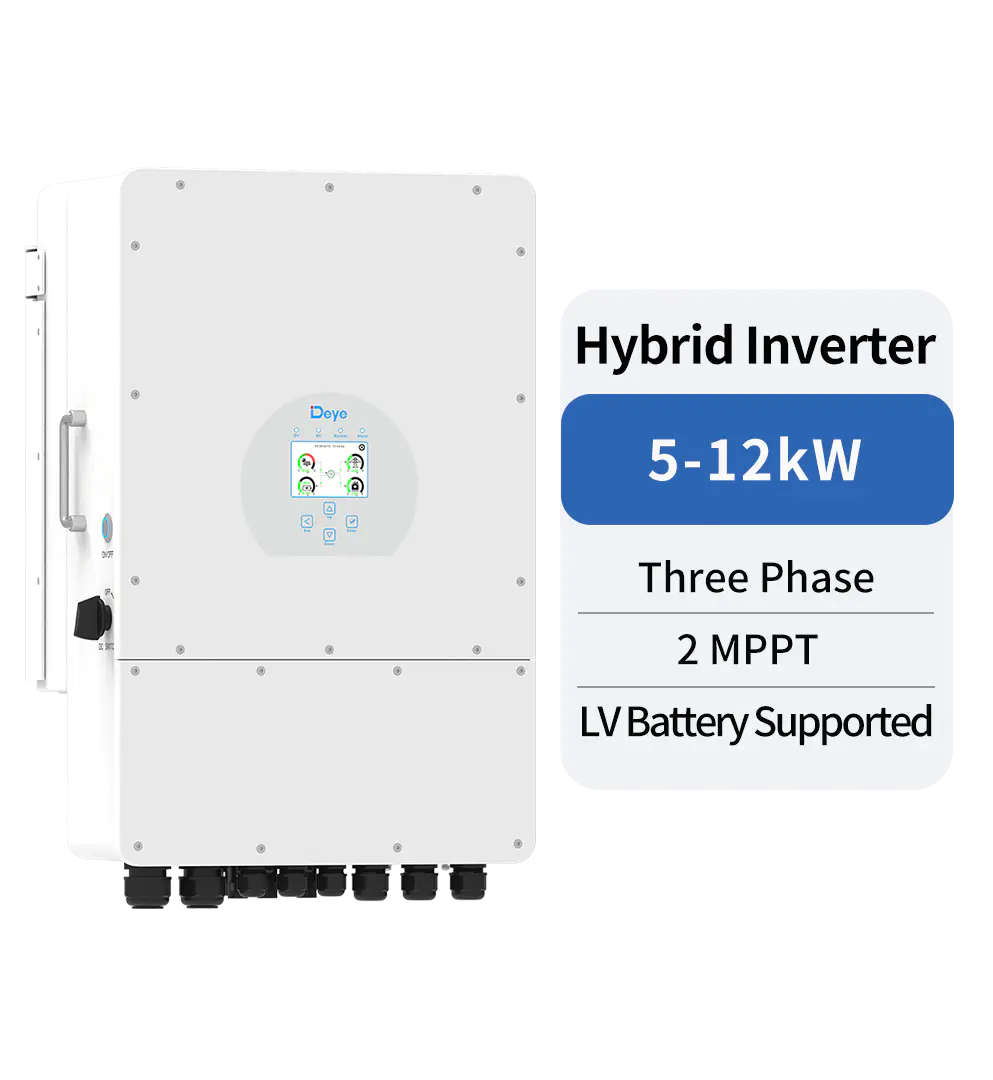
For many Georgia commercial sites the first useful evening buffer lands near ~30 kWh usable. In that band, a full LV hybrid + storage package is often materially cheaper system-wide than jumping to HV racks (order-of-magnitude framing from partner practice: LV can land ~40% lower total CAPEX at that scale — always re-quote live stock). You pay for what you need: inverter class, modules, busbars, install hours — not for industrial HV infrastructure you will not use.
Under Net-Billing, that buffer is what stops selling cheap daylight and buying expensive evening kWh — architecture must serve that KPI.
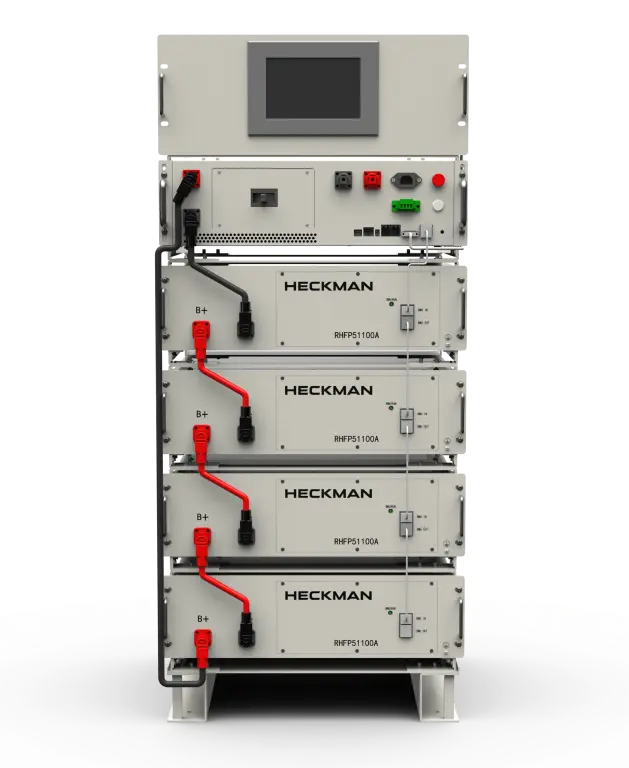
LV modules are serviceable by accredited partners with commercial-site discipline. HV racks push DC toward ~800 V: thinner conductors help cable cost on long runs, but service, PPE and rack rules get stricter. For a CFO that translates to: fewer specialist call-outs stuck waiting for HV-qualified crews, and lower probability of a “do not touch” plant when a module faults.
Install quality still matters on either class — floating neutral and CT mistakes burn loads regardless of voltage: floating neutral.
Higher voltage → lower current for the same power → thinner cable and lower I²R losses on long runs between inverter room and rack hall. HV is the rational pick when:
Peak discipline for commercial contracts: Peak Shaving B2B. Toward hourly markets: GENEX 2027.
| Question | LV 51.2 V | HV racks |
|---|---|---|
| First plant ~10–40 kWh | Usually best CAPEX / service fit | Often overbuilt |
| Add parallel hybrids later | Common path (licence / parallel growth) | Different rack rules |
| Long DC run / large peaks | Cable and losses hurt | Usually wins |
| Partner service in Georgia | Wide LV stock + skills | Fewer crews, stricter PPE |
Do not “upgrade” with a cheap HF off-grid kit — wrong topology for Net-Billing blending: hybrid vs cheap inverter. Selection checklist: how to choose a hybrid.
This blog page is the buyer brief. Port maps, cluster rules and FLEX Link architecture sit in the partner Academy — start at FLEX · LV or HV. Hardware from Tbilisi stock: energy storage catalogue, inverters. Install via accredited partners.
For Georgia business, LV 51.2 V is the default commercial architecture: safer service, better CAPEX near the first useful buffer, room to parallel. HV is the right industrial tool when distance and scale demand it — not a status upgrade.
Disclaimer: CAPEX ratios depend on SKU, cable path and labour. Guide as of August 2026; size from live site data.
Send usable-kWh target and cable distance — we propose a class from Tbilisi stock and a partner for install.
Peaks + POS UPS scenario.

Where LV clusters usually win.

Cloud brain after you pick LV/HV.
In-stock models from the Inversol warehouse — supply and install with Inversol and partners.